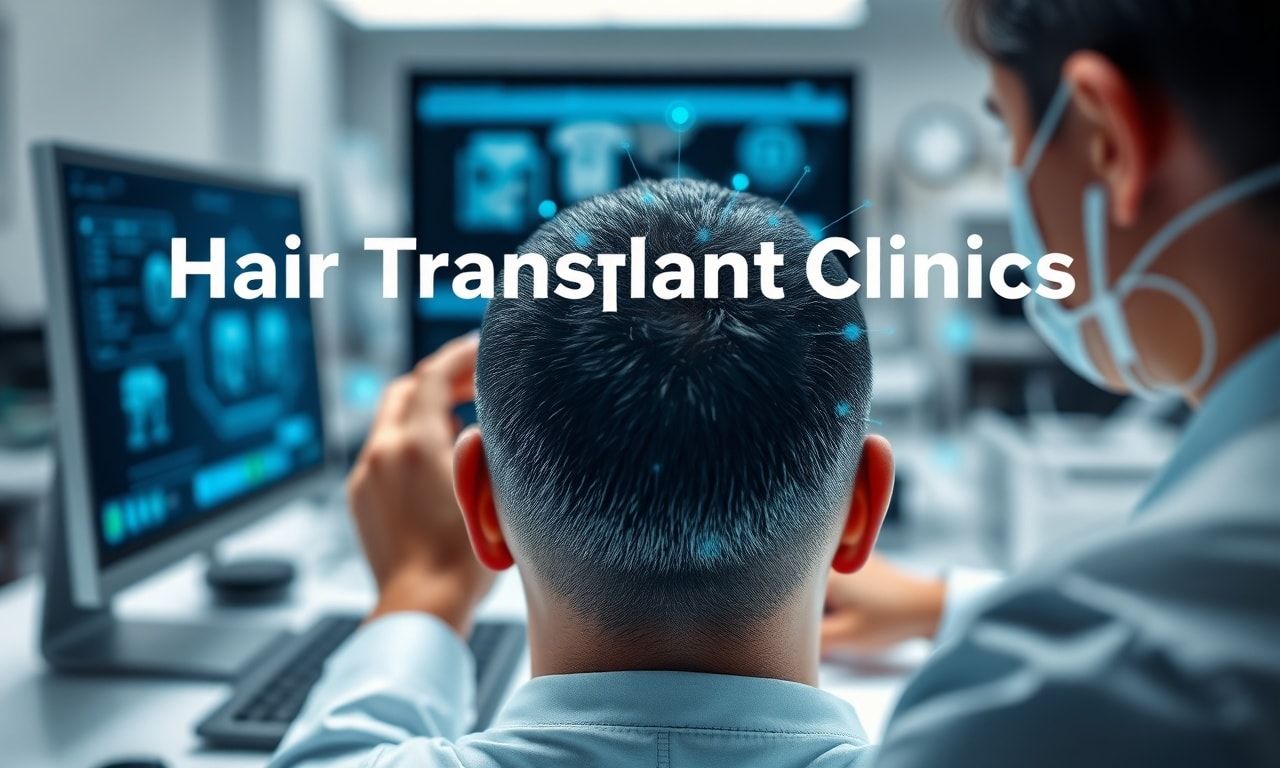
Introduction to Tech in Hair Transplant Clinics
The field of hair transplant surgery has seen significant advancements over the years, largely driven by technological innovations. These advancements have not only improved the precision and effectiveness of hair transplant procedures but also enhanced patient comfort and satisfaction. From robotic-assisted surgeries to advanced imaging techniques, technology has become an integral part of modern hair transplant clinics.
Robotic-Assisted Hair Transplantation
One of the most notable technological advancements in hair transplant surgery is the introduction of robotic systems. These systems, such as the ARTAS Robotic Hair Transplant System, utilize artificial intelligence and advanced imaging to perform follicular unit extraction (FUE) with unparalleled precision. The robot can identify and extract individual hair follicles, ensuring minimal damage to the surrounding tissue. This technology has revolutionized the field, making procedures less invasive and more efficient.
In addition to improving the surgical process, robotic systems also enhance the accuracy of hair follicle placement. The robot can map out the recipient area and place each follicle at the optimal angle and depth, resulting in a more natural-looking hairline. This level of precision is difficult to achieve with manual techniques, making robotic-assisted hair transplantation a preferred choice for many patients.
Benefits of Robotic-Assisted Hair Transplantation
The benefits of robotic-assisted hair transplantation are numerous. Firstly, the procedure is minimally invasive, reducing the risk of complications and speeding up the recovery process. Secondly, the precision of the robot ensures a higher success rate for hair follicle survival, leading to better results. Lastly, the use of AI and advanced imaging allows for a more personalized approach, tailoring the procedure to the unique needs of each patient.
Advanced Imaging and 3D Modeling
Advanced imaging techniques and 3D modeling have also played a significant role in the evolution of hair transplant surgery. These technologies allow surgeons to create detailed, three-dimensional models of the patient’s scalp, providing a comprehensive view of the hair loss pattern and the areas requiring transplantation. This level of detail is crucial for planning the procedure and ensuring optimal results.
3D modeling also enables surgeons to simulate different hairline designs and hair restoration outcomes. This allows patients to visualize the potential results of the procedure, helping them make informed decisions about their treatment options. Additionally, advanced imaging techniques can be used to monitor the progress of the hair transplant procedure, ensuring that the desired results are achieved.
The Role of AI in Hair Transplant Surgery
Artificial intelligence has become an invaluable tool in hair transplant surgery. AI algorithms can analyze vast amounts of data, including patient history, hair loss patterns, and previous surgical outcomes, to predict the most effective treatment plan. This predictive capability allows surgeons to tailor the procedure to the unique needs of each patient, improving the overall success rate.
AI can also be used to automate certain aspects of the hair transplant procedure, such as follicle extraction and placement. This automation not only increases the efficiency of the procedure but also reduces the risk of human error. As AI technology continues to evolve, its role in hair transplant surgery is expected to expand, further enhancing the precision and effectiveness of the procedure.
Cybersecurity in Hair Transplant Clinics
As technology continues to play a larger role in hair transplant clinics, the importance of cybersecurity cannot be overstated. Patient data, including medical histories, treatment plans, and personal information, must be protected from unauthorized access and cyber threats. Hair transplant clinics must implement robust cybersecurity measures to safeguard patient data and ensure compliance with regulations such as HIPAA.
Cybersecurity measures in hair transplant clinics may include encryption, firewalls, and secure data storage solutions. Regular security audits and employee training can also help prevent data breaches and ensure that all staff members are aware of best practices for protecting patient information. By prioritizing cybersecurity, hair transplant clinics can build trust with their patients and maintain the integrity of their data.
The Future of Technology in Hair Transplant Clinics
The future of technology in hair transplant clinics is bright, with ongoing advancements in AI, robotics, and imaging techniques. As these technologies continue to evolve, they will likely become even more integrated into the hair transplant process, further improving the precision, efficiency, and outcomes of the procedure.
In addition to technological advancements, the field of hair transplant surgery is also seeing a growing emphasis on personalized medicine. By leveraging data analytics and AI, surgeons can create highly customized treatment plans that address the unique needs of each patient. This personalized approach not only improves the success rate of the procedure but also enhances the overall patient experience.
For those interested in staying updated on the latest technological advancements, resources like craft fair announcements can provide valuable insights into emerging technologies and their applications in various fields, including hair transplant surgery.
Conclusion
The intersection of technology and hair transplant clinics has led to significant advancements in the field, improving the precision, efficiency, and outcomes of hair transplant procedures. From robotic-assisted surgeries to advanced imaging techniques and AI, technology has become an integral part of modern hair transplant clinics. As these technologies continue to evolve, the future of hair transplant surgery looks promising, with even greater advancements on the horizon.