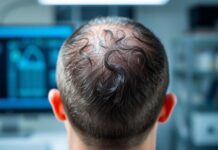
The Evolution of Technology in Hair Transplant Clinics
The field of hair transplant technology has seen remarkable advancements in recent years, transforming the way clinics operate and the outcomes they deliver. From robotic hair restoration to advanced imaging techniques, technology has become an integral part of modern hair transplant procedures. These innovations not only enhance precision and efficiency but also improve patient satisfaction and comfort. As we look towards the future, the integration of artificial intelligence (AI) and machine learning (ML) promises to revolutionize the industry even further.
The Role of AI and Machine Learning in Hair Transplant Clinics
AI and ML are at the forefront of technological innovation in hair transplant clinics. These technologies enable clinicians to analyze vast amounts of data, predict patient outcomes, and personalize treatment plans. For instance, AI algorithms can process high-resolution images to identify patterns and predict hair loss progression, allowing for more accurate and tailored interventions. Additionally, ML models can optimize the placement of hair follicles during transplantation, ensuring natural-looking results. The use of AI and ML not only enhances the precision of procedures but also reduces the time and cost associated with traditional methods.
Beyond the operating room, AI-powered tools are being developed to assist patients in their post-treatment care. Virtual assistants and mobile applications can provide personalized advice, track progress, and offer reminders for follow-up appointments. These tools leverage natural language processing (NLP) to understand and respond to patient queries, ensuring continuous support throughout the recovery process. As AI continues to evolve, its applications in hair transplant clinics are expected to expand, further enhancing patient care and outcomes.
The Impact of Robotic Hair Restoration
Robotic hair restoration is another groundbreaking technology that has transformed the field of hair transplantation. Systems like the ARTAS Robotic Hair Transplant System use advanced imaging and robotic technology to perform follicular unit extraction (FUE) with unparalleled precision. These systems can identify and extract individual hair follicles with minimal damage, ensuring optimal graft survival rates. The use of robotics not only enhances the accuracy of the procedure but also reduces the risk of human error, leading to more consistent and natural-looking results.
Moreover, robotic hair restoration systems are equipped with advanced software that allows for real-time monitoring and adjustment during the procedure. This ensures that the system adapts to the unique characteristics of each patient’s scalp, further enhancing the precision and efficiency of the transplant. As technology continues to advance, robotic systems are expected to become even more sophisticated, offering new possibilities for hair restoration.
The Importance of Cybersecurity in Hair Transplant Clinics
As hair transplant clinics increasingly rely on technology, the importance of cybersecurity cannot be overstated. The sensitive nature of patient data, including medical records and personal information, makes clinics a prime target for cyber threats. To protect patient data and ensure the integrity of their systems, clinics must implement robust cybersecurity measures. This includes using encryption to secure data, implementing multi-factor authentication for access control, and regularly updating software to patch vulnerabilities.
Additionally, clinics should conduct regular cybersecurity audits to identify and address potential weaknesses in their systems. Training staff on best practices for data security is also crucial, as human error is often a significant factor in cyber breaches. By prioritizing cybersecurity, hair transplant clinics can safeguard patient data and maintain trust in their services.
The Future of Technology in Hair Transplant Clinics
The future of technology in hair transplant clinics is bright, with numerous innovations on the horizon. One area of particular interest is the use of 3D printing technology to create custom hair follicles. This could revolutionize the way hair transplants are performed, offering new possibilities for personalized treatment. Additionally, the integration of virtual reality (VR) and augmented reality (AR) could enhance patient education and consultation processes, providing immersive experiences that help patients better understand their treatment options.
Another exciting development is the use of nanotechnology in hair restoration. Nanoparticles can be used to deliver growth factors and other therapeutic agents directly to hair follicles, promoting hair growth and improving the overall effectiveness of treatments. As research in this area continues, nanotechnology has the potential to transform the field of hair restoration, offering new solutions for hair loss.
In conclusion, the intersection of technology and art in hair transplant clinics is a fascinating area of innovation. From AI and robotics to cybersecurity and nanotechnology, the advancements in this field are transforming the way clinics operate and the outcomes they deliver. As technology continues to evolve, the future of hair transplant clinics looks promising, with new possibilities for personalized and effective treatments.
For those interested in the broader applications of technology in art, exploring the top art exhibitions in Barcelona for 2026 can provide a glimpse into the creative potential of technological innovations. These exhibitions showcase the latest trends and developments in the art world, highlighting the ways in which technology is being used to push the boundaries of creativity and expression.