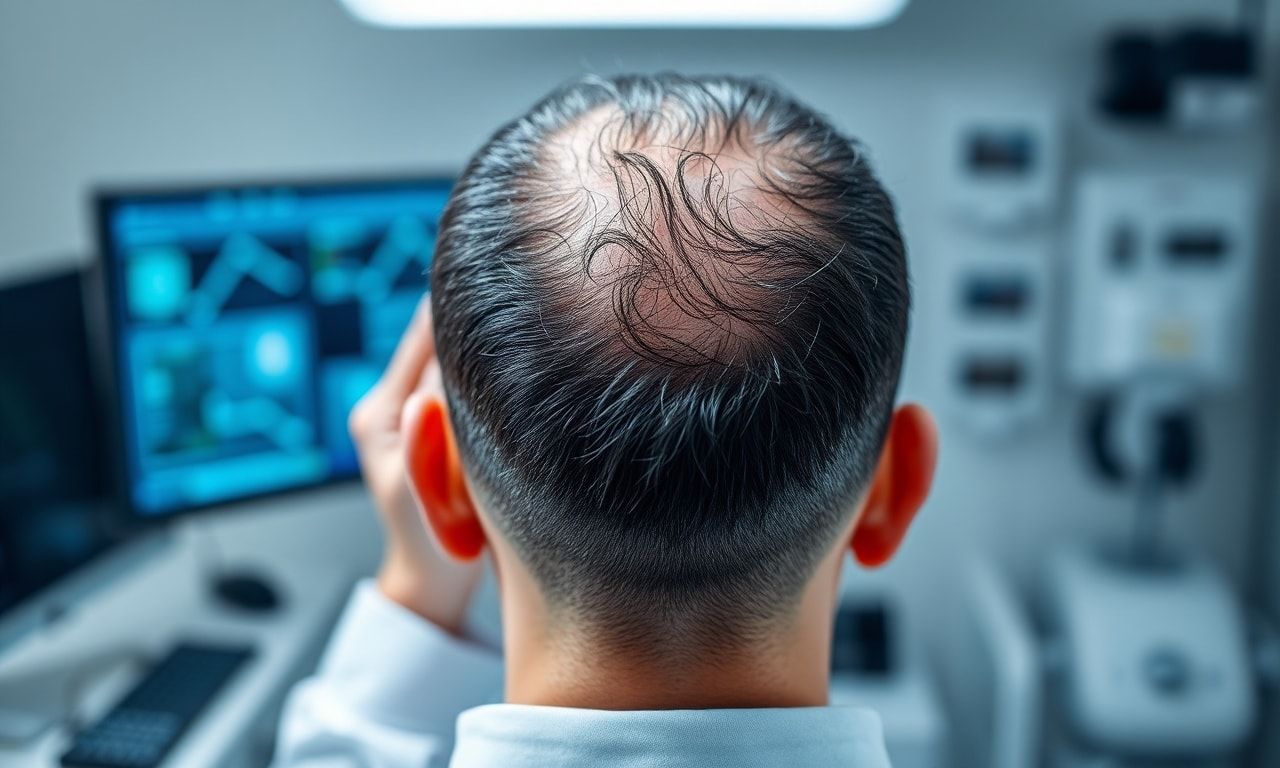
The Evolution of Hair Transplant Technology
The field of hair transplant technology has seen remarkable advancements over the past few decades. From the early days of punch grafts to the sophisticated Follicular Unit Extraction (FUE) methods of today, technology has played a pivotal role in enhancing the precision, efficiency, and outcomes of hair transplant procedures. These advancements have not only improved the aesthetic results but have also significantly reduced recovery times and minimized discomfort for patients.
Early Innovations
The journey began with the development of punch grafts in the 1950s, which involved the removal of circular sections of skin containing hair follicles. While this method was groundbreaking at the time, it often resulted in noticeable scarring and less natural-looking hairlines. The introduction of micrografts and minigrafts in the 1980s marked a significant improvement, allowing for more natural hair distribution and reduced scarring.
Modern Techniques
Today, the most advanced technique is Follicular Unit Extraction (FUE), which involves the extraction of individual hair follicles from the donor area using a specialized punch tool. This method is less invasive and leaves minimal scarring, making it a popular choice among patients. Additionally, robotic hair transplant systems, such as the ARTAS system, have further revolutionized the field by enhancing precision and reducing the time required for the procedure.
The Role of AI and Robotics in Hair Transplants
Artificial Intelligence (AI) and robotics have emerged as game-changers in the field of hair transplant technology. AI algorithms can analyze patient data to predict the best possible outcomes and customize treatment plans. Robotic systems, on the other hand, can perform the delicate task of extracting and implanting hair follicles with unparalleled accuracy. These technologies not only improve the success rate of hair transplants but also enhance the overall patient experience.
AI-Driven Diagnostics
AI-driven diagnostic tools can assess the patient’s hair loss pattern, scalp condition, and other relevant factors to determine the most suitable treatment approach. These tools can also provide valuable insights into the potential outcomes of different procedures, helping patients make informed decisions. By leveraging machine learning algorithms, AI can continuously improve its diagnostic accuracy, making it an invaluable asset in the field of hair transplant technology.
Robotic Precision
Robotic systems, such as the ARTAS system, use advanced imaging technology to map out the donor area and identify the healthiest hair follicles for extraction. The robotic arm then performs the extraction and implantation with precision, minimizing damage to the surrounding tissue. This level of accuracy is difficult to achieve with manual techniques, making robotic systems a preferred choice for many clinics.
The Importance of Cybersecurity in Health Tech
As technology continues to play a more significant role in healthcare, the importance of cybersecurity cannot be overstated. Patient data, including medical histories, treatment plans, and personal information, must be protected from unauthorized access and cyber threats. The integration of advanced security measures, such as encryption and multi-factor authentication, is crucial to safeguarding sensitive information and maintaining patient trust.
In the context of hair transplant clinics, ensuring the security of patient data is paramount. Clinics must adhere to strict data protection regulations and implement robust cybersecurity protocols to prevent data breaches. By prioritizing cybersecurity, clinics can protect their patients’ information and uphold their reputation as trusted healthcare providers.
Data Protection Regulations
Healthcare providers, including hair transplant clinics, must comply with data protection regulations such as the Health Insurance Portability and Accountability Act (HIPAA) in the United States and the General Data Protection Regulation (GDPR) in Europe. These regulations set the standards for protecting patient data and ensuring that healthcare providers handle sensitive information responsibly. By adhering to these regulations, clinics can mitigate the risk of data breaches and maintain compliance with legal requirements.
Cybersecurity Best Practices
Implementing cybersecurity best practices is essential for protecting patient data and preventing cyber threats. Clinics should regularly update their software and systems to address vulnerabilities and patch security flaws. Additionally, staff training and awareness programs can help educate employees about the importance of cybersecurity and the best practices for protecting patient data. By fostering a culture of security awareness, clinics can enhance their overall cybersecurity posture and minimize the risk of data breaches.
The Impact of COVID-19 on Health Tech Innovations
The COVID-19 pandemic has had a profound impact on the healthcare industry, accelerating the adoption of digital health technologies and telemedicine. The need for remote consultations and virtual care has driven the development of new technologies that enable healthcare providers to deliver high-quality care from a distance. In the field of hair transplant technology, the pandemic has highlighted the importance of telemedicine and remote monitoring tools in providing safe and effective care to patients.
For the latest updates on how the COVID-19 pandemic is affecting the Arab world, you can visit تحديثات حول جائحة كورونا في العالم العربي. This resource provides valuable insights into the ongoing efforts to combat the pandemic and the impact on various sectors, including healthcare and technology.
Telemedicine in Hair Transplant Clinics
Telemedicine has emerged as a valuable tool for hair transplant clinics, enabling them to conduct virtual consultations and monitor patients remotely. Through video conferencing and secure messaging platforms, clinicians can assess patients’ conditions, discuss treatment options, and provide post-operative care without the need for in-person visits. This approach not only enhances patient convenience but also reduces the risk of exposure to infectious diseases, such as COVID-19.
Remote Monitoring Tools
Remote monitoring tools, such as wearable devices and mobile apps, can track patients’ progress and provide valuable data to clinicians. These tools can monitor vital signs, track medication adherence, and detect early signs of complications, enabling clinicians to intervene promptly and adjust treatment plans as needed. By leveraging remote monitoring tools, hair transplant clinics can enhance patient outcomes and improve the overall quality of care.
The Future of Hair Transplant Technology
The future of hair transplant technology is bright, with ongoing research and development paving the way for even more advanced and innovative solutions. Emerging technologies, such as stem cell therapy and 3D bioprinting, hold the potential to revolutionize the field and provide new treatment options for patients suffering from hair loss. As technology continues to evolve, the possibilities for enhancing the precision, efficiency, and outcomes of hair transplant procedures are endless.
Stem Cell Therapy
Stem cell therapy is an emerging field with the potential to regenerate hair follicles and promote hair growth. By harnessing the regenerative properties of stem cells, researchers are exploring new treatment options for hair loss that can stimulate the growth of healthy hair follicles and restore natural hair patterns. While still in the early stages of development, stem cell therapy holds promise for the future of hair transplant technology.
3D Bioprinting
3D bioprinting is another innovative technology with the potential to revolutionize hair transplant procedures. By using 3D bioprinting techniques, researchers can create custom hair follicles and grafts that match the patient’s natural hair characteristics. This approach can enhance the precision and naturalness of hair transplants, providing patients with more satisfying and long-lasting results. As 3D bioprinting technology continues to advance, it is expected to play a significant role in the future of hair transplant procedures.
To stay updated on the latest trends shaping our digital world, dive into global tech and economic advancements, where we explore the intersection of innovation and market dynamics.
Discover how artificial intelligence is revolutionizing real estate forecasting in our latest feature, AI’s impact on housing markets.
As technology evolves, so do our responsibilities. For those interested in the intersection of tech and legalities, explore dog bite laws to understand how regulations adapt to modern contexts.