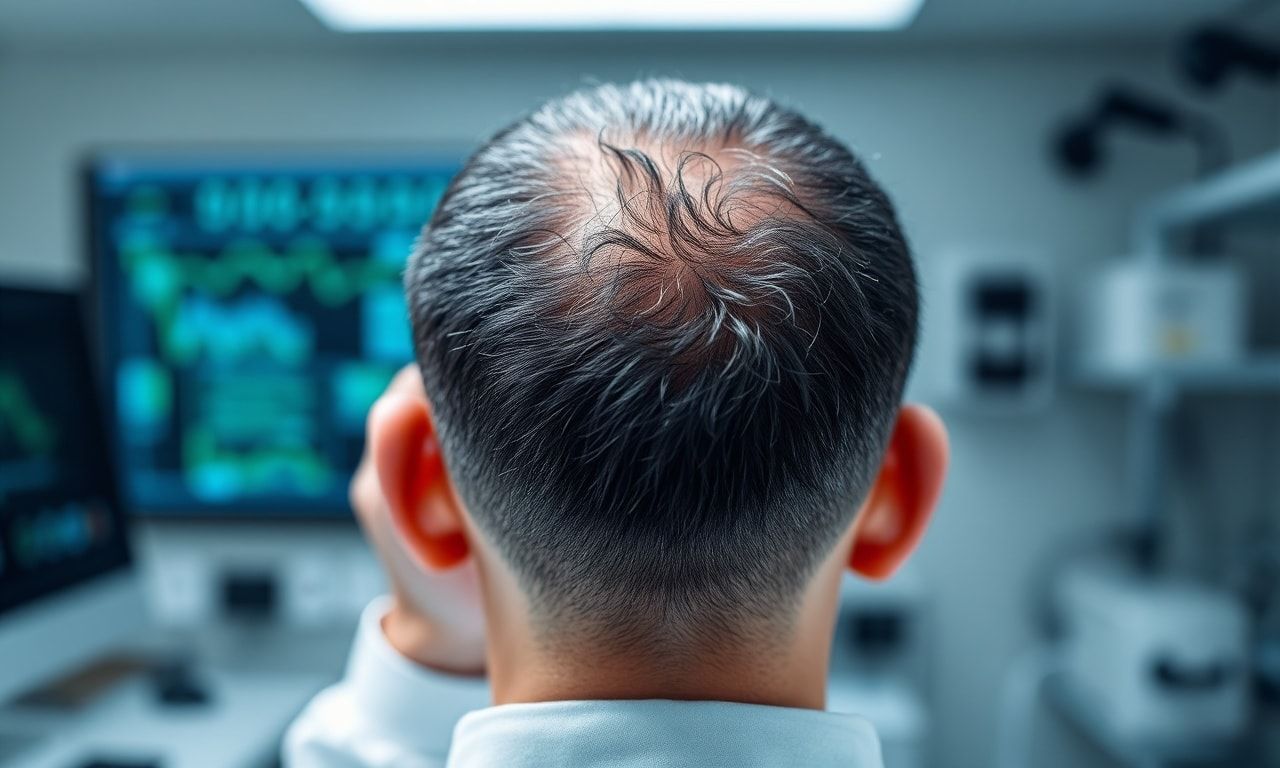
The Evolution of Hair Transplantation Technology
Hair transplantation has come a long way from its early days of rudimentary techniques. The advent of technology has revolutionized the field, making procedures more precise, less invasive, and more effective. From robotic hair transplantation to advanced laser therapies, the integration of technology has opened new avenues for treating hair loss. This article explores the latest technological innovations in hair transplantation and their impact on patient outcomes.
Robotic Hair Transplantation
One of the most significant advancements in hair transplantation technology is the introduction of robotic systems. These systems use artificial intelligence (AI) and machine learning algorithms to perform follicular unit extraction (FUE) with unparalleled precision. The ARTAS robotic system, for instance, can identify and harvest follicular units while minimizing damage to surrounding tissues. This level of accuracy ensures better graft survival rates and more natural-looking results.
Laser-Assisted Hair Transplantation
Laser technology has also made significant strides in the field of hair transplantation. Laser-assisted hair transplantation (LAHT) uses low-level laser therapy (LLLT) to stimulate hair growth and improve the healing process. This non-invasive technique is often used in conjunction with other hair restoration methods to enhance overall results. The use of lasers has been shown to reduce post-operative pain, swelling, and recovery time, making it a popular choice among patients.
The Role of AI in Hair Transplantation
Artificial intelligence is playing an increasingly important role in hair transplantation. AI algorithms can analyze patient data, including hair density, scalp condition, and genetic factors, to create personalized treatment plans. These algorithms can also predict the likelihood of success for different hair restoration techniques, allowing clinicians to make more informed decisions. Additionally, AI-powered imaging systems can provide detailed 3D models of the scalp, helping surgeons plan and execute procedures with greater accuracy.
Cybersecurity in Hair Transplantation Clinics
As technology continues to advance, the importance of cybersecurity in hair transplantation clinics cannot be overstated. Patient data, including medical histories, treatment plans, and personal information, must be protected from cyber threats. Clinics are increasingly investing in advanced cybersecurity measures, such as encryption, firewalls, and secure cloud storage, to safeguard patient information. Ensuring the privacy and security of patient data is not only a legal requirement but also a critical aspect of maintaining patient trust and confidence.
Emerging Technologies and Future Prospects
The future of hair transplantation technology looks promising, with several emerging technologies on the horizon. Stem cell therapy, for example, holds the potential to regenerate hair follicles and restore hair growth. Researchers are also exploring the use of platelet-rich plasma (PRP) therapy, which involves injecting a concentration of platelets into the scalp to stimulate hair growth. These innovative approaches, combined with ongoing advancements in AI, robotics, and laser technology, are poised to transform the field of hair transplantation in the coming years.
For those interested in the broader implications of technology on health, staying informed about the latest developments is crucial. Websites like new health news on traditional Chinese medicine provide valuable insights into the intersection of technology and traditional health practices, offering a comprehensive view of the evolving healthcare landscape.
The integration of technology into hair transplantation has not only improved the effectiveness of treatments but also enhanced the overall patient experience. As technology continues to evolve, we can expect even more innovative solutions to emerge, further revolutionizing the field of hair restoration. Whether through robotic systems, laser therapies, or AI-driven diagnostics, the future of hair transplantation is bright and full of promise.
As tech continues to evolve, it’s crucial to understand its impact on mental health; delve into tech’s mental health implications and the latest innovations addressing these challenges.
Discover how integrating smart home technologies can enhance your living experience by exploring elevating life with tech decor.
Discover how artificial intelligence is revolutionizing cancer treatment in our latest feature, AI in healthcare advancements, showcasing the cutting-edge intersection of tech and medicine.