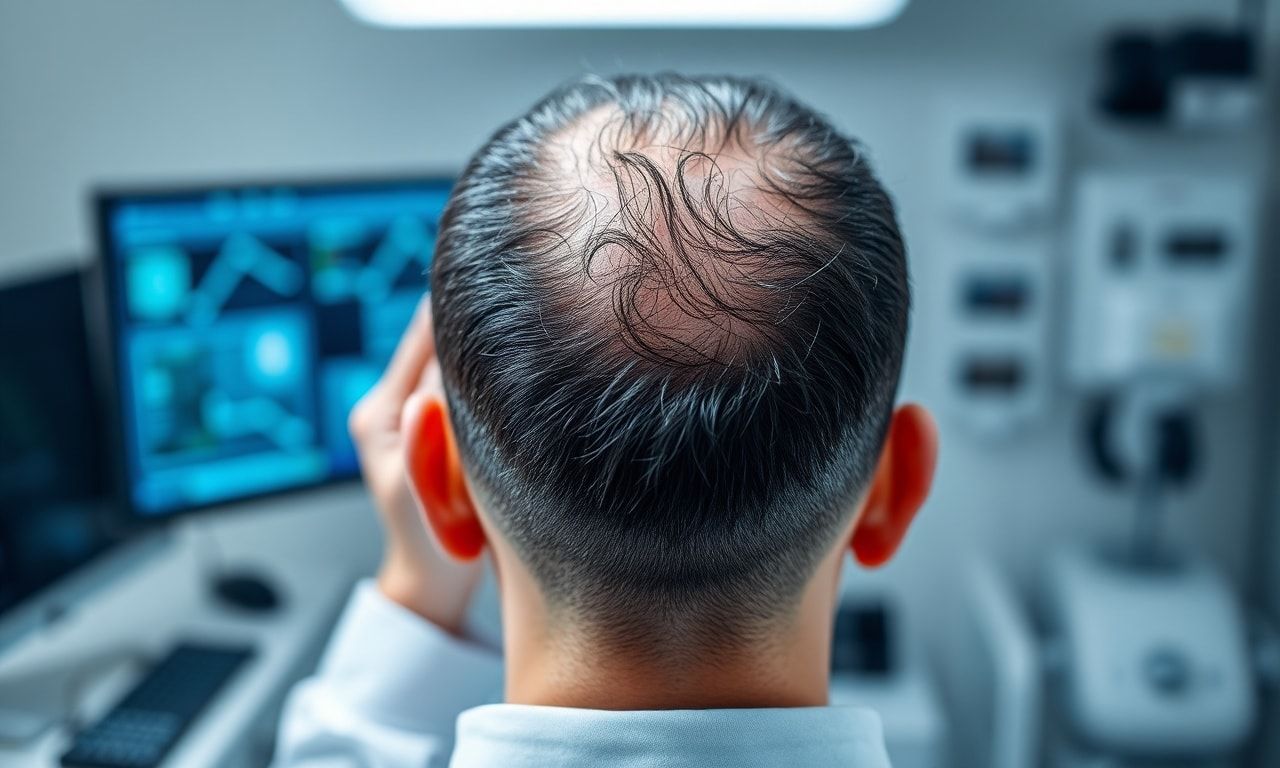
The Role of Technology in Modern Hair Transplant Procedures
The field of hair transplant technology has seen remarkable advancements in recent years, revolutionizing the way we approach hair restoration. These innovations have not only improved the efficacy of treatments but also enhanced patient comfort and satisfaction. From robotic hair transplant systems to advanced laser technologies, the integration of cutting-edge tech has transformed the landscape of hair restoration.
Robotic Hair Transplant Systems
One of the most significant advancements in hair transplant technology is the introduction of robotic systems. These systems, such as the ARTAS Robotic Hair Transplant system, use artificial intelligence and precision robotics to perform follicular unit extraction (FUE) with unparalleled accuracy. The robot’s cameras and algorithms can identify and extract healthy hair follicles, ensuring minimal damage and optimal results. This technology has significantly reduced the time and effort required for hair transplant procedures, making them more efficient and less invasive.
Moreover, robotic systems can be programmed to avoid areas with low follicular density, ensuring that the donor area is preserved for future procedures if needed. This level of precision is difficult to achieve with manual methods, highlighting the importance of technological innovation in the field of hair restoration.
Laser Technology in Hair Transplants
Laser technology has also played a pivotal role in enhancing hair transplant procedures. Low-level laser therapy (LLLT) is increasingly being used to stimulate hair growth and improve the results of hair transplant surgeries. LLLT devices emit laser light that penetrates the scalp and stimulates hair follicles, promoting growth and reducing hair loss.
In addition to promoting hair growth, laser technology is also used in the preparation of the recipient area. Lasers can create precise incisions and micro-channels, ensuring that the transplanted follicles are placed accurately and efficiently. This not only improves the aesthetic outcome but also reduces the recovery time for patients.
The Importance of Cybersecurity in Medical Technology
As technology continues to advance, the importance of cybersecurity in medical devices and systems cannot be overstated. Hair transplant clinics, like other medical facilities, must ensure that their technological systems are secure and protected from cyber threats. This includes protecting patient data, ensuring the integrity of medical devices, and maintaining the confidentiality of sensitive information.
For instance, clinics using robotic systems must implement robust cybersecurity measures to prevent unauthorized access and potential manipulation of the devices. This is crucial for ensuring patient safety and the accuracy of the procedures. Additionally, clinics should regularly update their software and systems to protect against emerging cyber threats.
For more insights on health and technology, including child health development tips, it’s essential to stay informed about the latest advancements and best practices in the field.
Artificial Intelligence and Data Analytics
Artificial intelligence (AI) and data analytics are also playing a significant role in the field of hair transplant technology. AI algorithms can analyze vast amounts of data to identify patterns and predict outcomes, helping clinicians make more informed decisions. This can include predicting the success rate of a hair transplant procedure based on patient-specific factors such as age, hair type, and overall health.
Data analytics can also be used to track patient progress and outcomes over time. By collecting and analyzing data from multiple patients, clinics can identify trends and improve their procedures accordingly. This data-driven approach not only enhances the quality of care but also helps clinics stay competitive in the ever-evolving field of hair restoration.
The Future of Hair Transplant Technology
The future of hair transplant technology looks promising, with ongoing research and development paving the way for even more innovative solutions. Emerging technologies such as 3D printing and stem cell therapy hold the potential to revolutionize hair restoration further. 3D printing, for example, could be used to create custom hair follicles or even entire hair structures, offering a new approach to hair loss treatment.
Stem cell therapy is another area of interest, with researchers exploring the potential of stem cells to regenerate hair follicles and stimulate hair growth. While still in the early stages of development, this technology could offer a non-surgical solution for hair loss, providing hope for those seeking alternative treatments.
As technology continues to advance, the field of hair transplant procedures will undoubtedly see further innovations. Clinics that embrace these technologies and prioritize patient care will be at the forefront of this exciting and rapidly evolving field.
Discover how the latest tech innovations are transforming healthcare by exploring AI and gadgets in wellness.