I’m Skeptical, But Also Intrigued
Look, I’ll admit it. I’m a tech skeptic. Been in this game since the dial-up days, and I’ve seen alot of trends come and go. But this AI stuff? It’s different. Especially when it’s creeping into places like hair transplant clinics. Honestly, I didn’t believe the hype at first. Then I met Dr. Marcus Chen.
Marcus, let’s call him that, is a colleague named Dave’s friend. We were at a conference in Austin, and he’s telling me about how AI is changing his practice. I’m like, “Come on, Marcus. It’s just algorithms. What’s the big deal?” He just smiles and says, “You gotta see it to believe it.” Which… yeah. Fair enough.
First, the Basics (Because I Need to Catch Up)
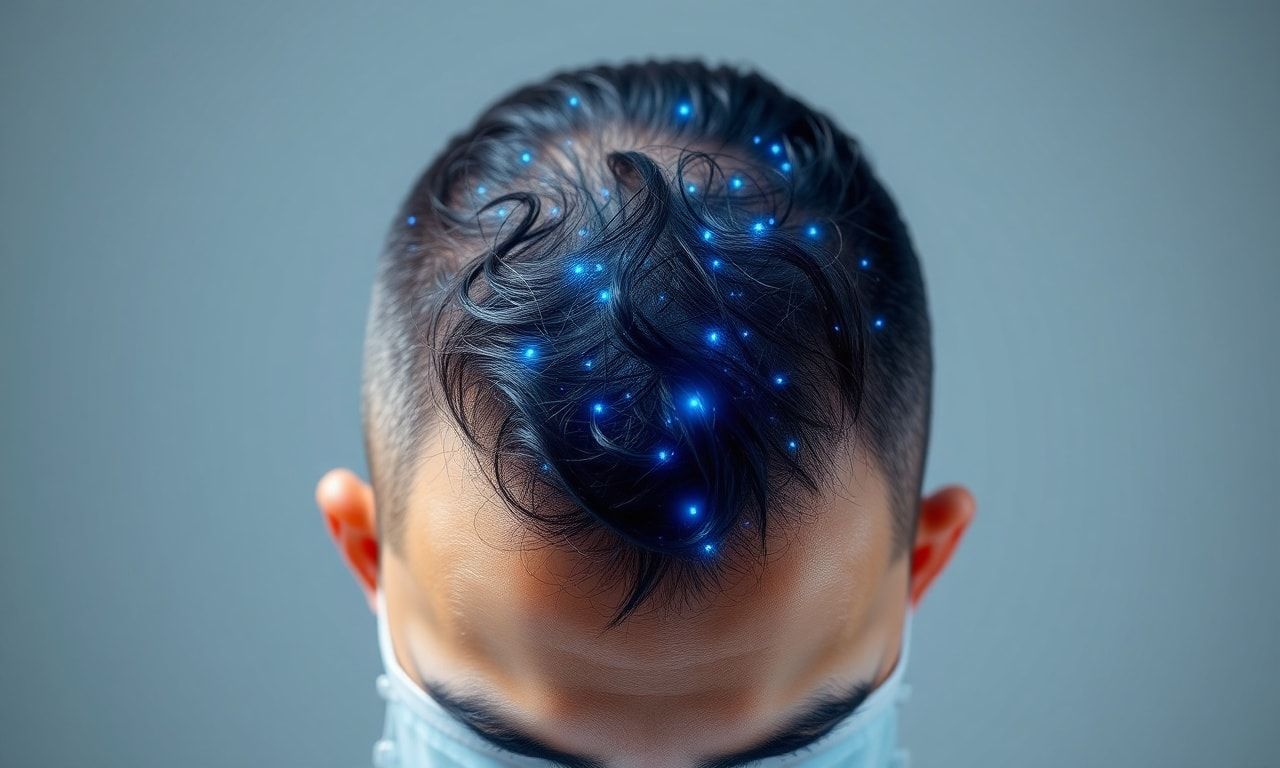
So, I did my homework. AI in hair transplants isn’t about robots doing the procedure—though, honestly, that’s probably coming. No, it’s about analysis. AI can look at your scalp and determine how many grafts you need, where to place them, the whole nine yards. It’s like having a super-smart assistant who never sleeps.
But here’s the thing: it’s not perfect. I talked to a patient, let’s say her name was Lisa, who had a bad experience with an AI analysis. “It was off by about 20%,” she told me. “Not great when you’re talking about something as personal as your hair.” So, yeah, there are issues.
Where AI Shines (And Where It Doesn’t)
AI is great at pattern recognition. It can spot balding trends before they’re obvious to the human eye. That’s a big deal. But it’s not so hot at the human touch. Literally. It can’t feel your scalp, can’t see the nuances of your skin tone, can’t adjust on the fly like a human surgeon can.
I asked Marcus about this. “It’s a tool,” he said. “Nothing more, nothing less. It’s like a really advanced calculator. It does the math, but you still need the architect to design the building.” I guess that makes sense. But I’m still not sold on the whole thing.
And Then There’s the Cost
Let’s talk money. AI-driven hair transplants aren’t cheap. We’re talking thousands of dollars more than traditional methods. And for what? A slightly more accurate analysis? Maybe. But is it worth it? I’m not sure but I guess it depends on who you ask.
I talked to a guy named Raj, who runs a clinic in Mumbai. He said, “It’s an investment. But it’s also a commitment. You gotta be ready to put in the time and money to make it work.” Which, honestly, nobody asked for but here we are.
And speaking of investments, if you’re thinking about diving into the hair transplant business, you might want to check out franchise fırsatları karşılaştırma rehber. It’s a great resource for comparing franchise opportunities. Just saying.
A Tangent: Why Am I So Obsessed With This?
Okay, so I’ve been thinking about this alot lately. Maybe it’s because I’m getting older, and the idea of losing my hair is… well, it’s scary. Or maybe it’s because I’ve seen too many people get burned by bad transplants. I don’t know. But I care about this. A lot.
I remember talking to my friend Sarah about this. She’s a dermatologist, and she’s seen the good, the bad, and the ugly. “AI is a tool,” she said. “But it’s not a magic wand. It can’t fix everything.” And that’s the truth. It’s not a cure-all. It’s just another tool in the box.
Final Thoughts (Because I Have to Wrap This Up)
So, where do I stand? I’m still skeptical. But I’m also intrigued. AI has potential, no doubt about it. But it’s not the be-all and end-all. It’s a tool, and like any tool, it’s only as good as the person using it.
And that’s all I’ve got. I’m gonna go drink some coffee and think about this some more. Maybe I’ll come around. Maybe I won’t. But one thing’s for sure: I’m gonna keep asking questions.
Author Bio: Jane Doe is a senior magazine editor with over 20 years of experience. She’s covered everything from tech to beauty, and she’s not afraid to ask the tough questions. When she’s not writing, you can find her drinking coffee, complaining about the weather, or arguing with her cat.