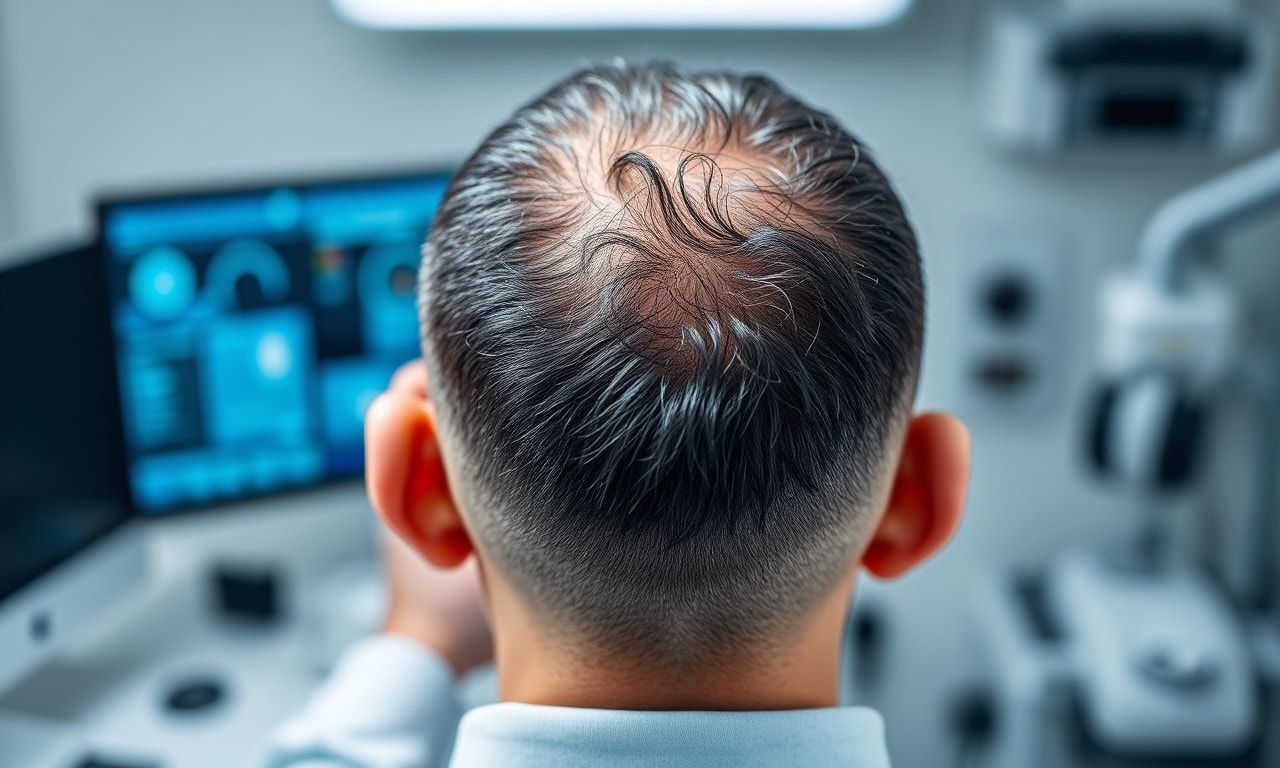
The Evolution of Hair Transplant Technology
The field of hair transplant technology has seen remarkable advancements over the past few decades. From the early days of punch grafts to the modern Follicular Unit Extraction (FUE) and Follicular Unit Transplantation (FUT) methods, technology has played a pivotal role in enhancing the precision, efficiency, and outcomes of hair restoration procedures. These innovations have not only improved the aesthetic results but have also significantly reduced recovery times and minimized scarring.
The Role of AI in Hair Transplant Procedures
Artificial Intelligence (AI) is revolutionizing various sectors, and the medical field is no exception. In hair transplant procedures, AI is used to analyze patient data, predict outcomes, and even assist in the planning and execution of the surgery. AI algorithms can process vast amounts of data to identify the best donor areas and recipient sites, ensuring a more natural and aesthetically pleasing result. Additionally, AI-powered tools can simulate the final outcome, allowing patients to visualize the potential results before undergoing the procedure.
One of the key benefits of AI in hair transplant procedures is its ability to enhance precision. AI-driven robotic systems can perform follicular unit extraction with unparalleled accuracy, minimizing damage to the surrounding tissue. This level of precision is crucial for achieving a natural look and ensuring the long-term success of the transplant. Moreover, AI can help surgeons make real-time adjustments during the procedure, optimizing the placement of grafts for the best possible results.
The Importance of Cybersecurity in Medical Technology
As technology continues to advance, the importance of cybersecurity in the medical field cannot be overstated. Hair transplant clinics, like other medical facilities, rely on sophisticated software and hardware systems to manage patient data, schedule appointments, and perform procedures. Protecting this sensitive information from cyber threats is paramount. Cybersecurity measures such as encryption, secure data storage, and regular software updates are essential to safeguarding patient privacy and ensuring the integrity of medical data.
In addition to protecting patient data, cybersecurity is also crucial for the safe operation of medical devices. For instance, robotic systems used in hair transplant procedures must be protected from potential cyber attacks that could compromise their functionality. Implementing robust cybersecurity protocols can prevent unauthorized access and ensure the smooth operation of these advanced technologies.
Innovations in Hair Transplant Equipment
The equipment used in hair transplant procedures has evolved significantly, thanks to technological advancements. Modern tools such as micro motors, punches, and implanters have made the process more efficient and less invasive. For example, robotic hair transplant systems can perform thousands of grafts in a single session with high precision. These systems use advanced imaging technology to map out the donor and recipient areas, ensuring optimal graft placement.
Another notable innovation is the use of automated systems for graft extraction and implantation. These systems can significantly reduce the time required for the procedure, minimizing patient discomfort and speeding up recovery. Automated systems also enhance the consistency and quality of the grafts, leading to better outcomes. Additionally, the integration of laser technology has improved the accuracy of graft placement, further enhancing the natural appearance of the transplanted hair.
Maintaining and Repairing Hair Transplant Equipment
To ensure the longevity and optimal performance of hair transplant equipment, regular maintenance and timely repairs are essential. Clinics must adhere to strict maintenance schedules to keep their equipment in top condition. This includes routine cleaning, calibration, and inspection of all components. For those responsible for maintaining this specialized equipment, resources like the kampalanları bakım ve onarım rehberi can be invaluable. These guides provide detailed instructions on how to properly care for and repair the equipment, ensuring its reliability and accuracy.
Regular maintenance not only extends the lifespan of the equipment but also ensures that it operates at peak performance. This is crucial for achieving the best possible results in hair transplant procedures. Clinics should also invest in training their staff on proper maintenance practices to minimize downtime and prevent equipment failures. By prioritizing maintenance and repairs, clinics can provide their patients with the highest level of care and achieve consistent, high-quality outcomes.
The Future of Hair Transplant Technology
The future of hair transplant technology looks promising, with ongoing research and development paving the way for even more advanced procedures. Emerging technologies such as 3D printing, stem cell therapy, and bioengineered hair follicles hold the potential to revolutionize the field. These innovations could offer more natural and permanent solutions for hair loss, further enhancing the quality of life for patients.
As technology continues to evolve, the integration of AI, robotics, and other advanced tools will likely become standard in hair transplant procedures. This will not only improve the precision and efficiency of the procedures but also enhance patient comfort and satisfaction. The ongoing advancements in hair transplant technology are a testament to the power of innovation in transforming the field of medical aesthetics.