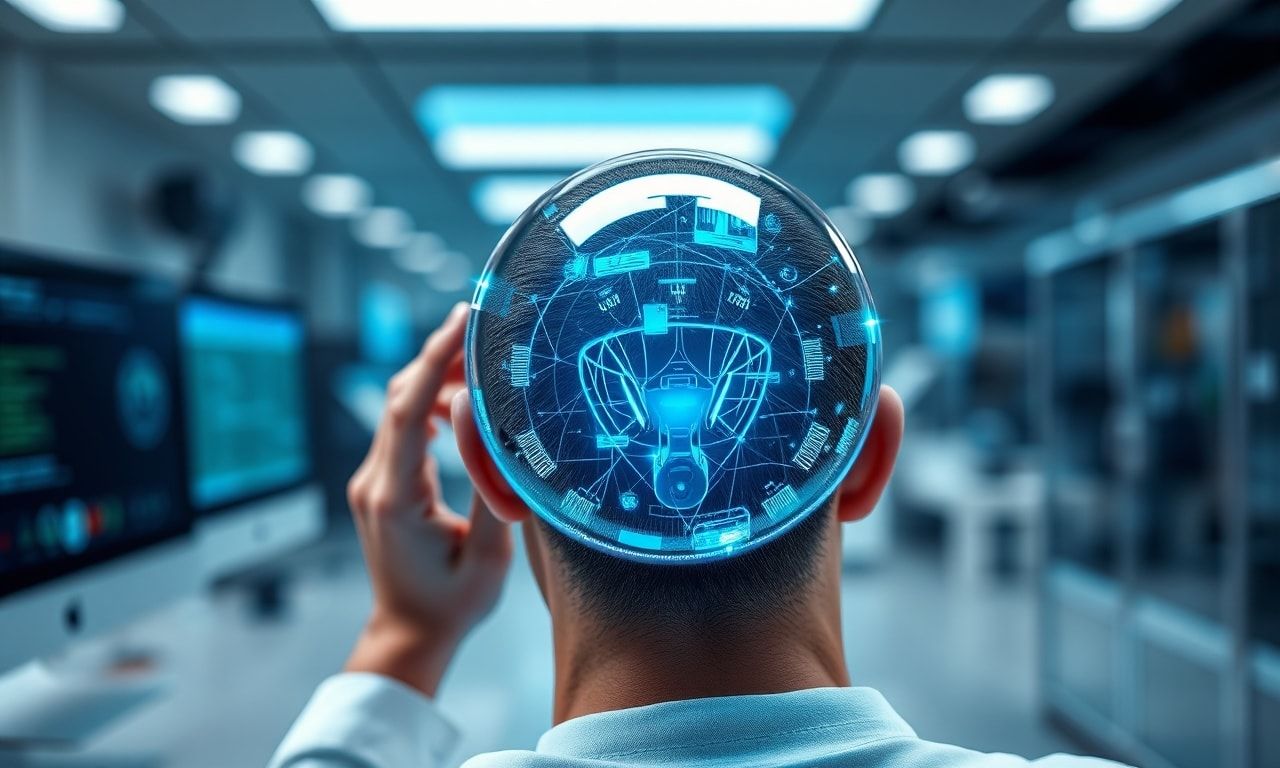
The Evolution of Technology in Medical Fields
The rapid advancement of technology has revolutionized various sectors, and the medical field is no exception. From artificial intelligence (AI) to robotics, technology has significantly enhanced the precision, efficiency, and outcomes of medical procedures. One area that has seen remarkable progress is hair transplant clinics. The integration of cutting-edge technology in hair restoration procedures has paved the way for more effective and less invasive treatments.
AI and Machine Learning in Hair Transplants
Artificial intelligence and machine learning have become integral to modern hair transplant techniques. These technologies enable clinicians to analyze patient data, predict outcomes, and customize treatment plans. AI algorithms can process vast amounts of information, including patient history, genetic factors, and previous treatment responses, to provide personalized recommendations. This level of customization ensures that each patient receives the most effective treatment tailored to their unique needs.
Moreover, AI-powered tools can assist in the planning and execution of hair transplant procedures. For instance, robotic systems equipped with AI can perform follicular unit extraction (FUE) with unparalleled precision. These robots can identify and extract healthy hair follicles while minimizing damage to the surrounding tissue. This not only improves the success rate of the transplant but also reduces recovery time for patients.
The Role of Robotics in Hair Restoration
Robotic systems have emerged as a game-changer in the field of hair restoration. These advanced machines can perform complex procedures with a level of accuracy that surpasses human capabilities. For example, the ARTAS Robotic Hair Transplant System is a state-of-the-art technology that uses robotic arms and AI to harvest and implant hair follicles. This system ensures consistent results and minimizes the risk of human error, making it a preferred choice for many clinics.
The integration of robotics in hair transplant clinics has also led to the development of less invasive procedures. Traditional methods often required large incisions and extensive recovery periods. However, with robotic assistance, clinicians can perform minimally invasive procedures that result in less scarring and faster healing. This technological advancement has made hair restoration more accessible and appealing to a broader range of patients.
The Future of Smart Home Devices in Healthcare
As technology continues to evolve, the concept of smart homes is becoming increasingly relevant in the healthcare sector. Smart home devices equipped with advanced sensors and connectivity features can monitor patients’ health and provide real-time data to clinicians. For instance, smart mirrors can analyze skin conditions and provide personalized skincare recommendations. Similarly, smart scales can track weight and body composition, offering valuable insights into a patient’s overall health.
For those interested in the latest advancements in smart home technology, exploring the best smart home devices for 2026 can provide a glimpse into the future of healthcare monitoring. These devices are designed to enhance the quality of life for individuals undergoing medical treatments, including hair restoration procedures. By integrating smart home technology into their daily routines, patients can receive continuous support and monitoring, ensuring optimal outcomes.
Cybersecurity in Medical Technology
With the increasing use of technology in medical procedures, cybersecurity has become a critical concern. Protecting patient data and ensuring the integrity of medical devices are paramount. Cybersecurity measures such as encryption, secure authentication, and regular software updates are essential to safeguarding sensitive information and preventing unauthorized access.
Hair transplant clinics must prioritize cybersecurity to maintain patient trust and comply with regulatory standards. Implementing robust security protocols and conducting regular security audits can help identify and mitigate potential vulnerabilities. By adopting a proactive approach to cybersecurity, clinics can ensure the safety and privacy of their patients’ data.
Conclusion
The intersection of technology and hair transplant clinics represents a significant leap forward in the field of medical aesthetics. From AI and robotics to smart home devices and cybersecurity, technological advancements are transforming the way hair restoration procedures are performed. As these technologies continue to evolve, patients can expect more effective, personalized, and less invasive treatments. Embracing these innovations not only enhances the quality of care but also sets a new standard for the future of hair transplant clinics.
As technology evolves, so do the threats it faces; discover how AI enhances cybersecurity defenses in our latest feature.
As technology continues to reshape various industries, it’s fascinating to see its impact on fashion; delve into tech-driven style innovations and discover how AI and gadgets are redefining personal expression.
As technology and entertainment intersect, discover how industries adopt green innovations to reduce their carbon footprint and inspire global change.