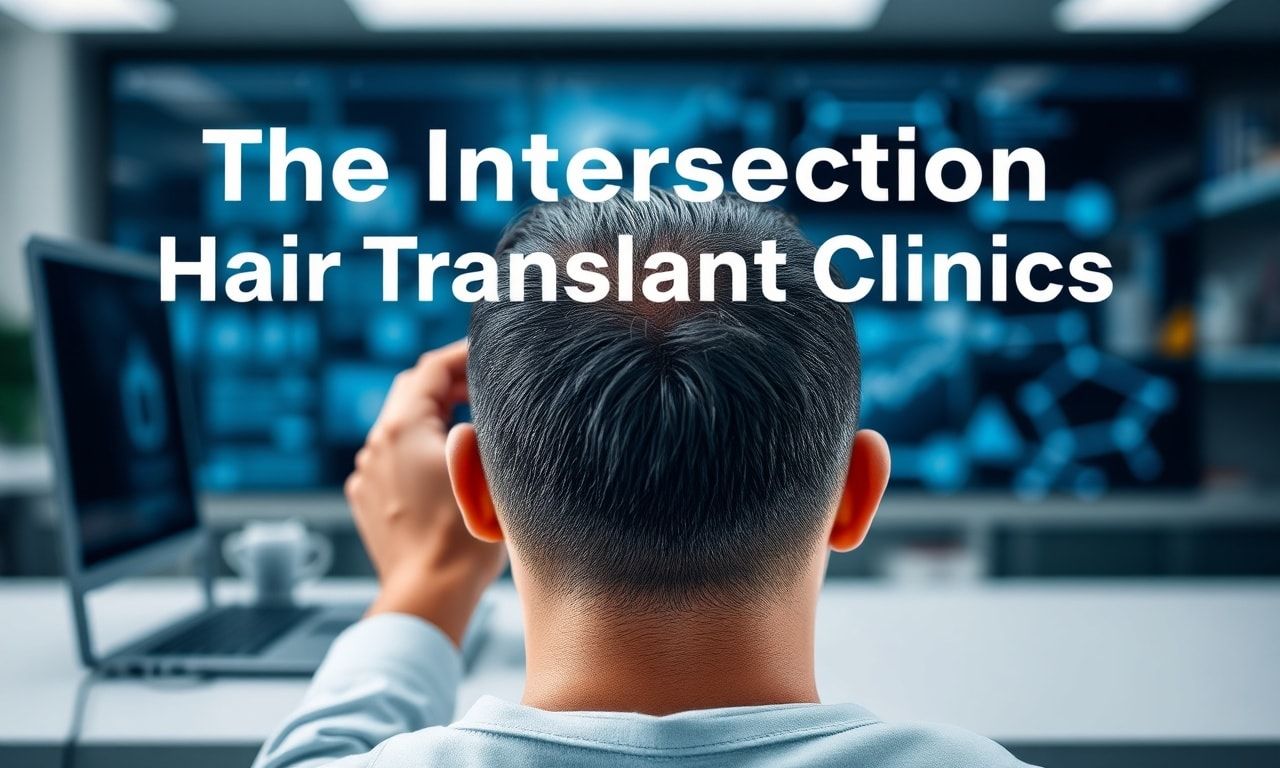
The Role of Technology in Modern Hair Transplant Clinics
The field of hair transplant surgery has seen remarkable advancements over the years, largely driven by technological innovations. These advancements have not only improved the precision and effectiveness of hair transplant procedures but have also enhanced patient comfort and satisfaction. From robotic-assisted surgeries to advanced imaging techniques, technology has become an integral part of modern hair transplant clinics. This article explores the various technological innovations that are revolutionizing the hair transplant industry.
Robotic-Assisted Hair Transplantation
One of the most significant technological advancements in hair transplant surgery is the introduction of robotic systems. The ARTAS Robotic Hair Transplant System, for example, uses artificial intelligence and image-guided robotics to perform follicular unit extraction (FUE) with unparalleled precision. This technology allows for the accurate harvesting of individual hair follicles, minimizing damage to the surrounding tissue and ensuring a more natural-looking result. The use of robotics in hair transplantation has significantly reduced the time and effort required for the procedure, making it a preferred choice for both surgeons and patients.
Benefits of Robotic Hair Transplantation
The benefits of robotic-assisted hair transplantation are manifold. Firstly, the precision of the robotic system ensures that only the healthiest hair follicles are selected for transplantation, leading to a higher success rate. Secondly, the minimally invasive nature of the procedure reduces post-operative pain and downtime. Additionally, the consistency and accuracy of the robotic system result in a more uniform and natural-looking hairline. Patients can also benefit from the reduced risk of complications such as infections and scarring.
Advanced Imaging and 3D Modeling
Advanced imaging techniques and 3D modeling have also played a crucial role in the evolution of hair transplant procedures. High-resolution cameras and specialized software allow surgeons to create detailed 3D models of the patient’s scalp, enabling them to plan the procedure with greater accuracy. These models provide a comprehensive view of the hair follicles, their distribution, and the overall scalp condition, which helps in designing a more natural and aesthetically pleasing hairline. The use of 3D modeling also allows patients to visualize the expected results before undergoing the procedure, enhancing their overall experience and satisfaction.
The Role of AI in Hair Transplant Clinics
Artificial intelligence (AI) has emerged as a game-changer in the field of hair transplant surgery. AI algorithms can analyze vast amounts of data to identify patterns and trends that are not easily discernible to the human eye. This capability is particularly useful in predicting the success of a hair transplant procedure based on various factors such as the patient’s age, hair type, and overall health. AI can also assist in the planning and execution of the procedure, ensuring that the best possible outcomes are achieved. For more interesting facts knowledge guide on how AI is transforming various industries, including healthcare, visit our resource center.
Cybersecurity in Hair Transplant Clinics
As hair transplant clinics increasingly rely on digital technologies, the importance of cybersecurity cannot be overstated. Patient data, including medical histories, treatment plans, and personal information, must be protected from unauthorized access and cyber threats. Hair transplant clinics must implement robust cybersecurity measures to safeguard patient data and ensure compliance with regulatory requirements. This includes the use of encryption technologies, secure data storage solutions, and regular security audits to identify and address potential vulnerabilities.
Best Practices for Cybersecurity in Hair Transplant Clinics
To ensure the security of patient data, hair transplant clinics should adopt the following best practices:
- Implement strong password policies and multi-factor authentication to prevent unauthorized access.
- Use encryption technologies to protect sensitive data both in transit and at rest.
- Regularly update and patch software and hardware to address known vulnerabilities.
- Conduct regular security audits and penetration testing to identify and address potential security risks.
- Train staff on cybersecurity best practices and the importance of data protection.
By following these best practices, hair transplant clinics can ensure the security and privacy of patient data, building trust and confidence among their patients.
Future Trends in Hair Transplant Technology
The future of hair transplant technology looks promising, with several exciting advancements on the horizon. One such advancement is the use of stem cell therapy to stimulate hair growth. Stem cell therapy involves the extraction of stem cells from the patient’s body, which are then injected into the scalp to promote hair follicle regeneration. This innovative approach has the potential to revolutionize hair transplant procedures by offering a non-surgical and more natural solution for hair loss.
Another promising trend is the use of platelet-rich plasma (PRP) therapy. PRP therapy involves the extraction of a patient’s blood, which is then processed to isolate the platelet-rich plasma. This plasma is then injected into the scalp to stimulate hair growth and improve the overall condition of the hair. PRP therapy is a minimally invasive procedure that has shown promising results in clinical studies, making it a viable option for patients seeking a non-surgical solution for hair loss.
Additionally, the use of laser technology in hair transplant procedures is gaining traction. Low-level laser therapy (LLLT) has been shown to stimulate hair growth and improve the overall condition of the hair. LLLT devices are non-invasive and can be used at home, making them a convenient and accessible option for patients.
In conclusion, technological innovations have significantly transformed the field of hair transplant surgery, offering more precise, effective, and patient-friendly solutions. From robotic-assisted procedures to advanced imaging and AI, these advancements have enhanced the overall experience and outcomes for patients. As technology continues to evolve, we can expect even more exciting developments in the field of hair transplant surgery, paving the way for a future where hair loss is no longer a concern.