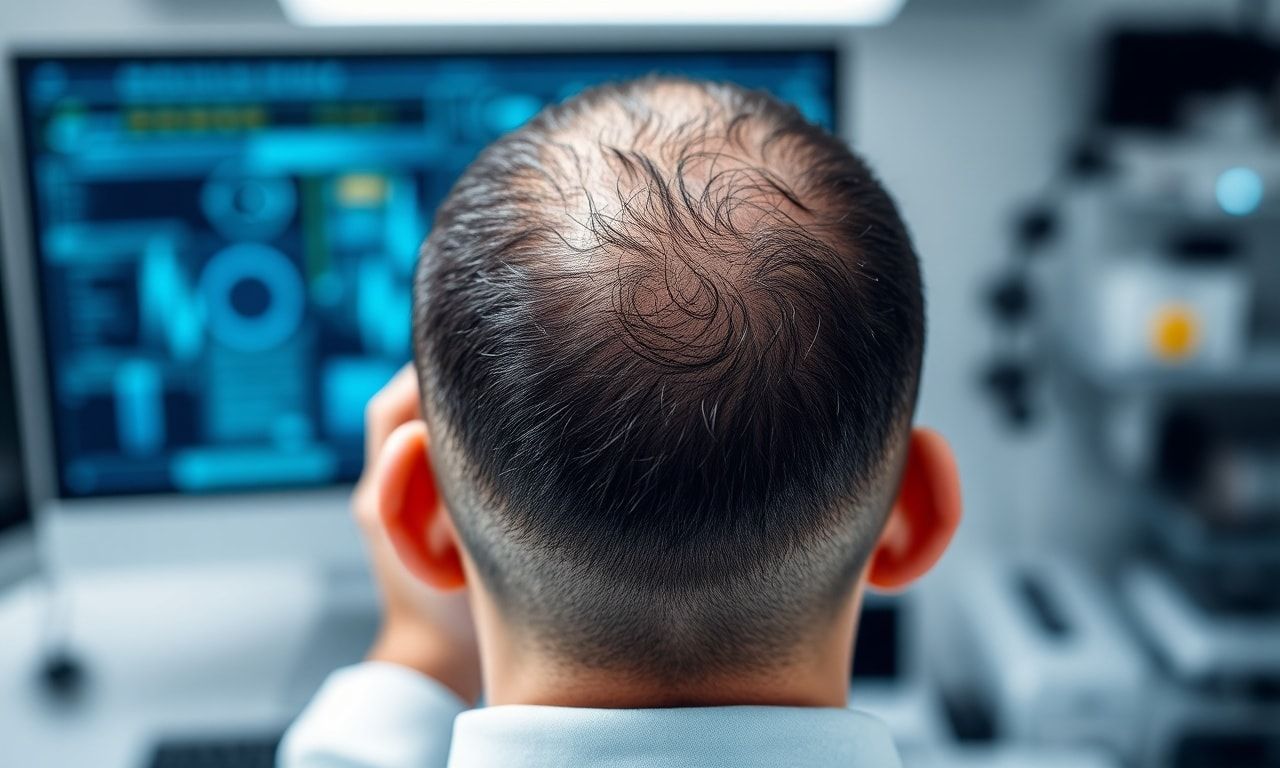
The Evolution of Hair Transplant Technology
The field of hair transplant technology has witnessed remarkable advancements over the past few decades. From the early days of punch grafts to the modern Follicular Unit Extraction (FUE) and Follicular Unit Transplantation (FUT) methods, technology has played a pivotal role in enhancing the precision, efficiency, and outcomes of hair restoration procedures. These innovations have not only improved the aesthetic results but have also significantly reduced recovery times and minimized scarring.
The Role of AI and Robotics in Hair Transplants
Artificial Intelligence (AI) and robotics have revolutionized the hair transplant industry. AI algorithms can analyze scalp conditions, predict hair loss patterns, and even assist in the planning of transplant procedures. Robotic systems, such as the ARTAS Robotic System, use advanced imaging technology and robotic arms to perform precise follicular unit extractions. These systems can identify and extract healthy hair follicles with minimal damage, ensuring a higher success rate for the transplant.
Moreover, AI-driven platforms can provide personalized treatment plans based on individual patient data. These platforms can integrate data from various sources, including genetic information, lifestyle factors, and medical history, to create tailored solutions for hair loss. This level of customization ensures that each patient receives the most effective treatment for their specific needs.
Cybersecurity in Healthcare: Protecting Patient Data
As technology continues to advance, the importance of cybersecurity in the healthcare sector cannot be overstated. Hair transplant clinics, like other medical facilities, handle sensitive patient data that must be protected from cyber threats. The integration of electronic health records (EHRs) and telemedicine platforms has streamlined patient care but has also introduced new vulnerabilities. Cybersecurity measures such as encryption, multi-factor authentication, and regular security audits are essential to safeguarding patient information.
In addition to protecting patient data, cybersecurity measures can also ensure the integrity of medical devices and systems. For instance, ensuring that robotic systems used in hair transplants are secure from cyber attacks is crucial for maintaining the safety and effectiveness of the procedures. Clinics must stay updated with the latest cybersecurity trends and invest in robust security infrastructure to mitigate potential risks.
The Impact of Technology on Patient Experience
The advancements in hair transplant technology have significantly enhanced the patient experience. From virtual consultations to 3D imaging and simulation tools, patients can now visualize the potential outcomes of their procedures before undergoing treatment. This not only helps manage expectations but also builds trust between the patient and the clinic.
Furthermore, the use of mobile applications and wearable devices has enabled patients to monitor their progress and communicate with their healthcare providers in real-time. These tools provide valuable insights into the recovery process and allow for timely interventions if necessary. The convenience and accessibility offered by these technologies have made hair transplant procedures more patient-friendly and less daunting.
Future Trends in Hair Transplant Technology
The future of hair transplant technology looks promising, with several emerging trends set to further revolutionize the field. One such trend is the use of stem cell therapy and regenerative medicine. Researchers are exploring the potential of stem cells to regenerate hair follicles and stimulate natural hair growth. This approach could offer a non-surgical solution for hair loss, reducing the need for invasive procedures.
Another exciting development is the use of 3D bioprinting technology. This innovative approach involves creating hair follicles using a patient’s own cells, which are then transplanted onto the scalp. 3D bioprinting has the potential to produce more natural-looking results and reduce the risk of complications associated with traditional hair transplant methods.
Additionally, the integration of blockchain technology in healthcare can enhance data security and interoperability. Blockchain can provide a secure and transparent way to manage patient records, ensuring that data is accurate and tamper-proof. This technology can also facilitate the seamless transfer of medical information between different healthcare providers, improving the overall quality of care.
For those interested in the latest technological advancements and their impact on various sectors, including finance, staying informed is crucial. Keeping up with Bangladesh stock market update and news today can provide valuable insights into how technology is shaping the global economy and influencing different industries.
Conclusion
The intersection of technology and healthcare has led to remarkable advancements in the field of hair transplants. From AI-driven diagnostics to robotic-assisted procedures and cybersecurity measures, technology has transformed the way hair loss is treated. As we look to the future, emerging trends such as stem cell therapy, 3D bioprinting, and blockchain technology promise to further revolutionize the industry. For patients seeking hair restoration solutions, staying informed about these technological advancements can help them make well-informed decisions and achieve the best possible outcomes.
Discover how Honda Accord is pioneering advancements in automotive tech innovations with cutting-edge software and AI integration.
For more insights on this topic, you might find The Intersection of Entertainment and Weather: particularly informative.