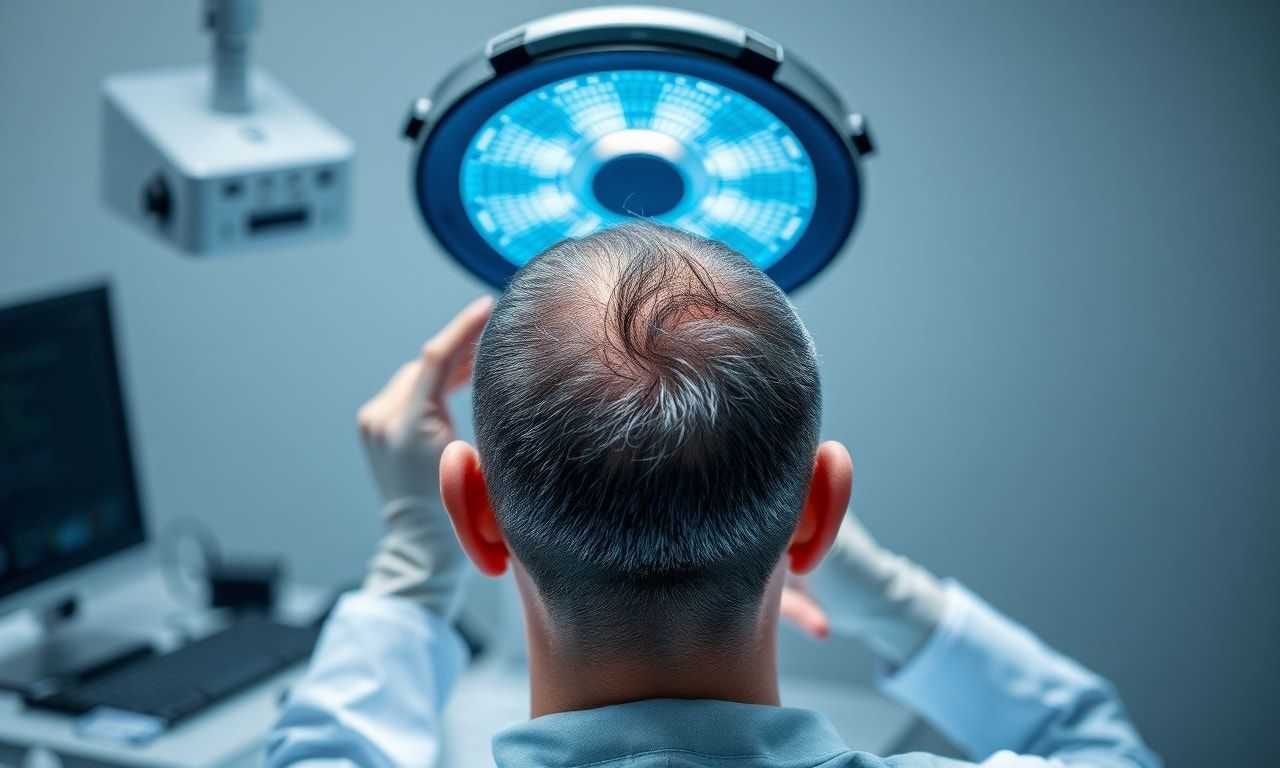
The Evolution of Hair Transplant Technology
The field of hair transplantation has witnessed remarkable advancements over the past few decades, driven by cutting-edge technology and innovative research. From the early days of punch grafts to the modern Follicular Unit Extraction (FUE) and Follicular Unit Transplantation (FUT) methods, technology has played a pivotal role in enhancing the precision, efficiency, and outcomes of hair transplant procedures. These advancements have not only improved the aesthetic results but also significantly reduced recovery times and minimized scarring.
The Role of AI in Hair Transplant Procedures
Artificial Intelligence (AI) has emerged as a game-changer in the field of hair transplantation. AI algorithms are now being used to analyze patient data, predict outcomes, and even assist surgeons during procedures. For instance, AI-powered software can create detailed 3D models of a patient’s scalp, allowing surgeons to plan the transplant with unprecedented accuracy. This technology not only enhances the precision of the procedure but also ensures that the results are more natural and aesthetically pleasing.
Moreover, AI can be used to monitor the progress of the transplant post-surgery. By analyzing images and data from follow-up appointments, AI algorithms can detect early signs of complications and alert the medical team, ensuring timely intervention. This proactive approach significantly improves patient outcomes and satisfaction.
The Impact of Robotics in Hair Transplantation
Robotics has also made significant inroads into the field of hair transplantation. Robotic systems, such as the ARTAS system, are designed to assist surgeons in performing FUE procedures with high precision. These robots use advanced imaging technology to identify and extract individual hair follicles, ensuring minimal damage to the surrounding tissue. The use of robotics not only enhances the accuracy of the procedure but also reduces the risk of human error, leading to better results.
Robotic systems are also equipped with advanced software that can analyze the density and distribution of hair follicles on the scalp. This information is crucial for planning the transplant and ensuring that the results are as natural as possible. Additionally, robotic systems can perform the procedure faster than human surgeons, reducing the overall time required for the transplant and minimizing patient discomfort.
The Future of Hair Transplant Technology
The future of hair transplant technology looks promising, with several exciting developments on the horizon. One of the most anticipated advancements is the use of stem cell technology to regenerate hair follicles. Researchers are exploring the potential of stem cells to create new hair follicles, which could revolutionize the field of hair transplantation. This technology could potentially eliminate the need for hair grafts and provide a permanent solution to hair loss.
Another promising area of research is the use of 3D bioprinting to create hair follicles. This technology involves using a 3D printer to create a scaffold that mimics the structure of a hair follicle. The scaffold is then seeded with cells that can grow into new hair follicles. This approach could potentially provide a more natural and permanent solution to hair loss.
In addition to these advancements, the integration of AI and robotics into hair transplant procedures is expected to continue. As these technologies become more sophisticated, they will play an increasingly important role in enhancing the precision, efficiency, and outcomes of hair transplant procedures. For the latest updates and developments in this field, you can refer to resources like dersveren güncel haberler dergisi güncelleme 2026 gelişmeler.
The Importance of Cybersecurity in Healthcare Technology
As technology continues to play an increasingly important role in healthcare, the need for robust cybersecurity measures becomes paramount. The sensitive nature of patient data and the potential for misuse make it crucial to implement strong cybersecurity protocols. Healthcare providers must ensure that their systems are protected against cyber threats and that patient data is kept secure.
One of the key challenges in healthcare cybersecurity is the integration of new technologies into existing systems. As healthcare providers adopt new technologies, they must ensure that these technologies are compatible with their existing systems and that they do not introduce new vulnerabilities. This requires a comprehensive approach to cybersecurity that includes regular updates, patch management, and continuous monitoring.
Additionally, healthcare providers must ensure that their staff is trained in cybersecurity best practices. This includes understanding the risks associated with phishing attacks, ransomware, and other cyber threats. By providing regular training and education, healthcare providers can ensure that their staff is equipped to handle cyber threats and protect patient data.
Conclusion
The field of hair transplantation has witnessed remarkable advancements driven by cutting-edge technology. From AI and robotics to stem cell technology and 3D bioprinting, these innovations have revolutionized the way hair transplant procedures are performed. As technology continues to evolve, the future of hair transplantation looks promising, with the potential for even more sophisticated and effective treatments. However, it is crucial to prioritize cybersecurity to protect patient data and ensure the safe and effective use of these technologies.
If you’re looking to blend cutting-edge tech with comfortable living, check out these smart home buying tips that cater to tech enthusiasts and cybersecurity-conscious individuals.
In the realm of tech and wellness, understanding the nutrition and mental health connection can offer innovative approaches to enhancing cognitive performance and overall well-being.
To understand the broader context of tech advancements, consider exploring Bangladesh’s political landscape analysis, which highlights how geopolitical factors influence tech growth and innovation.