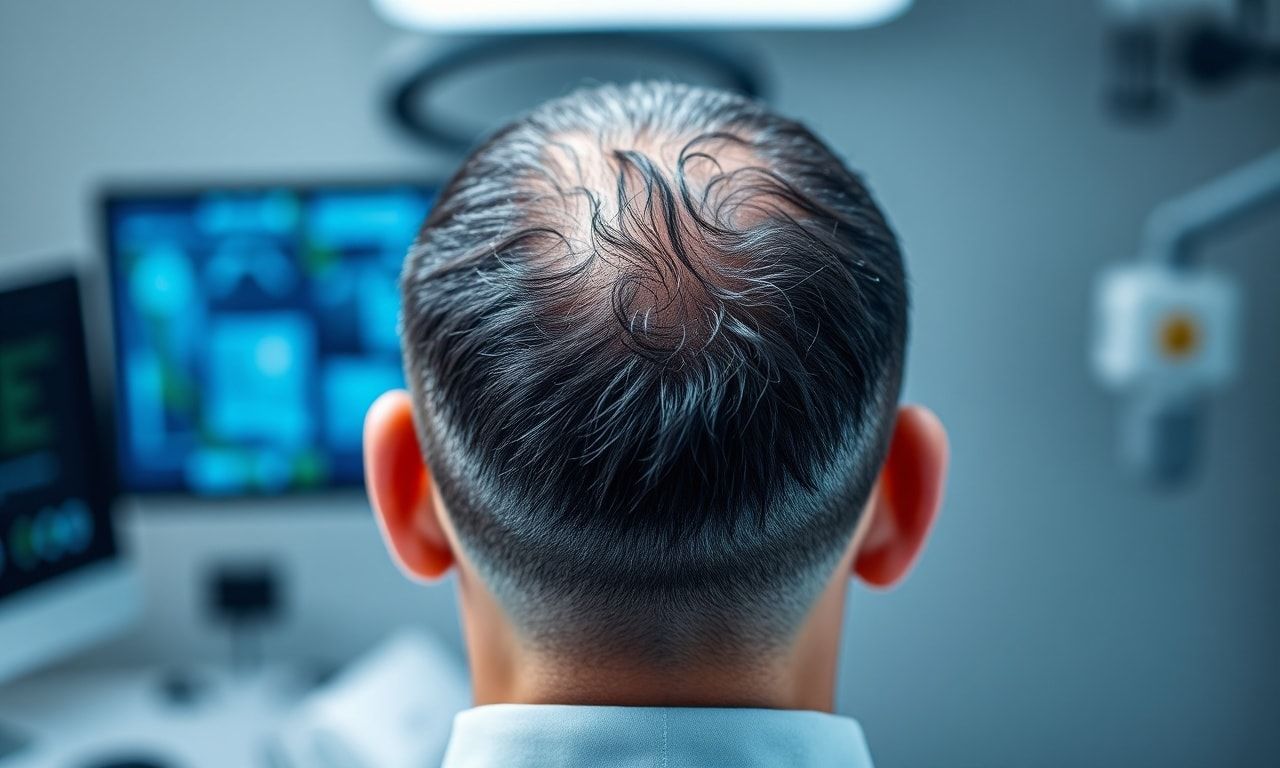
The Evolution of Hair Transplant Technology
The field of hair transplant technology has undergone a remarkable transformation over the past few decades. From the early days of punch grafts to the modern techniques of Follicular Unit Extraction (FUE) and robotic-assisted procedures, technology has played a pivotal role in enhancing the precision, efficiency, and outcomes of hair restoration. The integration of advanced software, AI, and robotics has not only improved the patient experience but also the overall success rates of these procedures.
The Role of AI in Hair Transplant Procedures
Artificial Intelligence (AI) has emerged as a game-changer in the realm of hair transplant technology. AI algorithms are now capable of analyzing individual hair follicles with unprecedented accuracy, enabling surgeons to plan and execute procedures with a level of precision that was previously unattainable. These algorithms can process vast amounts of data to predict the best possible outcomes, taking into account factors such as hair density, scalp elasticity, and the patient’s overall health. This level of customization ensures that each procedure is tailored to the unique needs of the patient, thereby enhancing the likelihood of a successful outcome.
Moreover, AI-powered software can simulate the results of a hair transplant procedure, allowing patients to visualize the potential outcomes before undergoing the surgery. This not only helps in managing patient expectations but also aids in the decision-making process. The use of AI in hair transplant clinics has thus revolutionized the way these procedures are planned and executed, making them more efficient and effective.
The Impact of Robotics on Hair Transplant Procedures
Robotics has also made significant inroads into the field of hair transplant technology. Robotic systems, such as the ARTAS Robot, have been designed to assist surgeons in performing FUE procedures with a high degree of accuracy. These systems use advanced imaging technology to identify and extract individual hair follicles, minimizing the risk of damage to the surrounding tissues. The precision offered by robotic systems ensures that the harvested follicles are of the highest quality, which is crucial for the success of the transplant procedure.
In addition to enhancing the precision of the procedure, robotic systems also reduce the overall time required for the surgery. This not only minimizes the patient’s discomfort but also reduces the risk of complications. The integration of robotics into hair transplant procedures has thus significantly improved the patient experience, making it a preferred choice for many individuals seeking hair restoration.
The Importance of Cybersecurity in Hair Transplant Clinics
As hair transplant clinics increasingly rely on advanced technology, the importance of cybersecurity cannot be overstated. The sensitive nature of patient data, including medical histories and personal information, makes these clinics prime targets for cyber threats. Ensuring the security of this data is not only a legal requirement but also a moral obligation to protect patient privacy.
To safeguard against cyber threats, hair transplant clinics must implement robust cybersecurity measures. This includes the use of encrypted communication channels, secure data storage solutions, and regular security audits. Additionally, staff training on cybersecurity best practices is crucial to prevent data breaches. By prioritizing cybersecurity, hair transplant clinics can protect their patients’ data and maintain their reputation as trustworthy healthcare providers.
The Future of Hair Transplant Technology
The future of hair transplant technology looks promising, with ongoing advancements in AI, robotics, and other cutting-edge technologies. The integration of these technologies is expected to further enhance the precision, efficiency, and outcomes of hair transplant procedures. As these technologies continue to evolve, we can expect to see even more innovative solutions that will revolutionize the field of hair restoration.
One area of particular interest is the potential use of 3D printing technology in hair transplant procedures. Researchers are exploring the possibility of creating bio-printed hair follicles that can be transplanted into the scalp. While this technology is still in its early stages, it holds immense potential for the future of hair restoration. Additionally, the development of new software algorithms that can predict the growth patterns of transplanted hair follicles is another exciting area of research.
The Role of Technology in Patient Education and Support
Technology also plays a crucial role in patient education and support. Online platforms and mobile applications provide patients with access to a wealth of information about hair transplant procedures, including the benefits, risks, and expected outcomes. These platforms also offer virtual consultations with experienced surgeons, allowing patients to make informed decisions about their treatment options.
Moreover, technology enables patients to connect with support groups and communities, where they can share their experiences and seek advice from others who have undergone similar procedures. This sense of community can be incredibly beneficial for patients, providing them with the emotional support they need throughout their hair restoration journey. In addition, many clinics offer online resources and tools to help patients prepare for their procedures and manage their recovery. For instance, some clinics provide detailed guides on post-operative care, including tips on how to maintain the health of the transplanted hair follicles.
In the context of education and community support, it’s worth noting the broader impact of technology on urban living. For example, in cities like Bakırköy, the availability of bakırköy’de en iyi eğitim imkânları reflects a commitment to leveraging technology to enhance educational opportunities. This same commitment to innovation and improvement is evident in the field of hair transplant technology, where continuous advancements are driving better outcomes for patients.
The Importance of Choosing a Tech-Savvy Clinic
When considering a hair transplant procedure, it is essential to choose a clinic that is at the forefront of technological innovation. A tech-savvy clinic will have access to the latest advancements in AI, robotics, and other cutting-edge technologies, ensuring that patients receive the highest standard of care. Additionally, such clinics are more likely to prioritize patient education and support, providing a comprehensive and personalized experience.
In conclusion, the intersection of technology and healthcare has revolutionized the field of hair transplant procedures. From AI-powered software to robotic systems and advanced cybersecurity measures, technology has enhanced the precision, efficiency, and outcomes of these procedures. As technology continues to evolve, we can expect to see even more innovative solutions that will further improve the patient experience. By choosing a tech-savvy clinic, patients can ensure that they receive the best possible care and achieve the desired outcomes from their hair transplant procedure.
To understand how artificial intelligence is transforming our daily lives, dive into AI’s impact on technology and discover the latest advancements in this rapidly evolving field.
Discover how technology is transforming everyday life by exploring innovations in urban living spaces, where AI and smart gadgets are making homes more secure and efficient.
If you enjoyed this article, we recommend checking out Die Zukunft der Technologie: Innovationen, die for further reading.