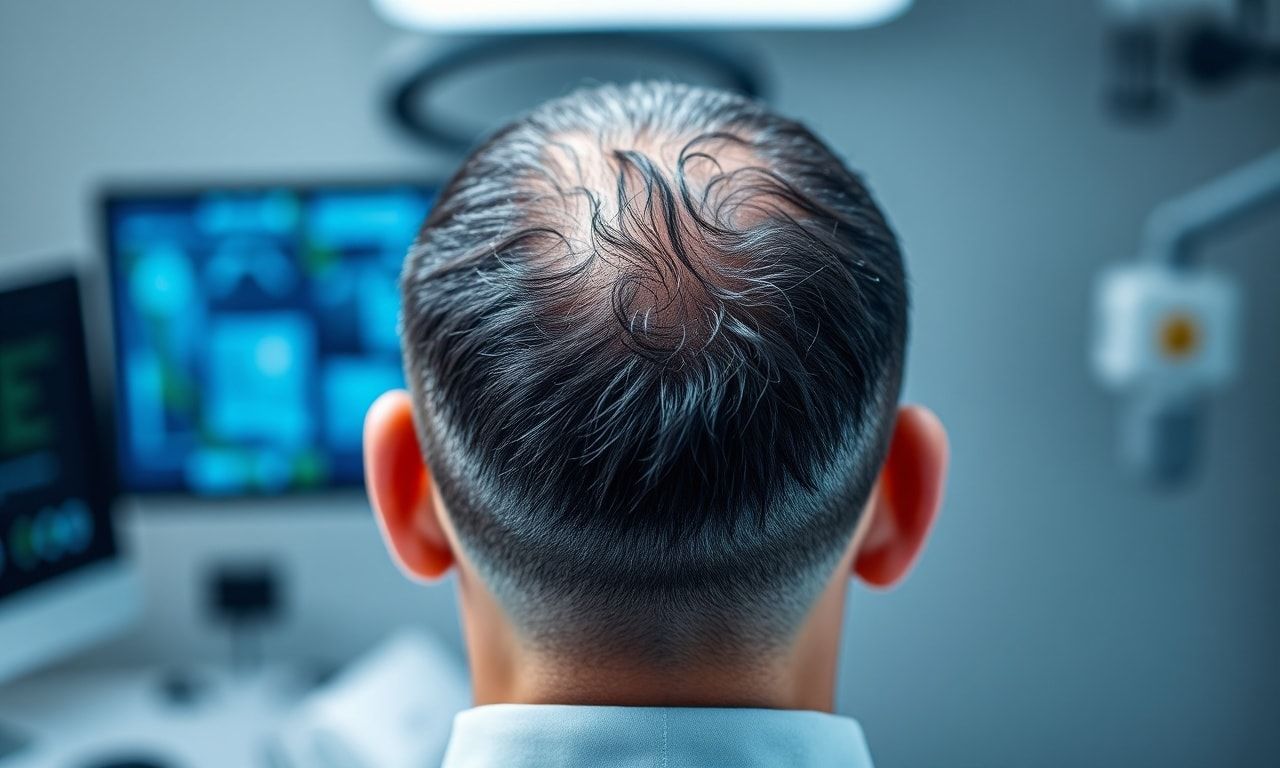
The Evolution of Hair Transplant Technology
The field of hair transplantation has seen remarkable advancements over the years, largely driven by technological innovations. From the early days of punch grafts to the modern Follicular Unit Extraction (FUE) and Follicular Unit Transplantation (FUT) methods, technology has played a pivotal role in enhancing the precision, efficiency, and outcomes of hair restoration procedures. Today, cutting-edge technologies such as robotic hair transplantation and AI-driven diagnostics are setting new benchmarks in the industry.
The Role of AI in Hair Transplant Procedures
Artificial Intelligence (AI) is transforming various sectors, and healthcare is no exception. In the realm of hair transplantation, AI algorithms are being employed to analyze patient data, predict outcomes, and even assist in the planning of surgical procedures. For instance, AI can process high-resolution images of a patient’s scalp to identify the optimal donor and recipient sites, ensuring a more natural-looking result. Additionally, machine learning models can predict the likelihood of success based on historical data, helping clinicians make informed decisions.
Moreover, AI-powered tools can simulate the potential results of a hair transplant, allowing patients to visualize the expected outcomes before undergoing the procedure. This not only sets realistic expectations but also enhances patient satisfaction. The integration of AI in hair transplant clinics is a testament to the growing synergy between technology and healthcare.
Enhancing Precision with Robotic Hair Transplantation
One of the most significant technological advancements in hair transplantation is the introduction of robotic systems. Robotic hair transplantation utilizes advanced imaging and robotic arms to perform the procedure with unparalleled precision. The ARTAS Robotic Hair Transplantation System, for example, is designed to identify and harvest follicular units with high accuracy, minimizing damage to the surrounding tissue. This level of precision is crucial for achieving natural-looking results and reducing recovery time.
Robotic systems also offer the advantage of consistency. Unlike manual procedures, which can be influenced by the surgeon’s skill and experience, robotic systems perform the procedure with a consistent level of accuracy. This consistency is particularly beneficial for complex cases, ensuring that each follicular unit is harvested and transplanted with the same level of precision.
The Importance of Cybersecurity in Healthcare
As technology continues to revolutionize healthcare, the importance of cybersecurity cannot be overstated. The sensitive nature of patient data makes healthcare institutions prime targets for cyberattacks. In the context of hair transplant clinics, protecting patient information is paramount. Clinics must implement robust cybersecurity measures to safeguard patient data from unauthorized access and cyber threats.
For instance, clinics can employ encryption techniques to protect patient data both at rest and in transit. Regular security audits and vulnerability assessments can help identify and mitigate potential security risks. Additionally, staff training on cybersecurity best practices is essential to ensure that all personnel are aware of the latest threats and how to respond to them. By prioritizing cybersecurity, hair transplant clinics can build trust with their patients and ensure the confidentiality and integrity of their data.
Leveraging Technology for Patient Care
Technology is not only enhancing the precision and efficiency of hair transplant procedures but also improving patient care. Telemedicine, for example, allows patients to consult with healthcare professionals remotely, making it easier to access expert advice and follow-up care. This is particularly beneficial for patients who may not have easy access to specialized hair transplant clinics.
Furthermore, wearable devices and health monitoring apps can provide valuable insights into a patient’s overall health, helping clinicians tailor their treatment plans accordingly. For instance, tracking stress levels and sleep patterns can help identify potential factors that may affect the success of a hair transplant procedure. By leveraging these technologies, hair transplant clinics can offer a more holistic approach to patient care, addressing not just the physical aspects but also the psychological and emotional well-being of their patients.
The Future of Hair Transplant Technology
The future of hair transplant technology is bright, with ongoing research and development paving the way for even more innovative solutions. Emerging technologies such as 3D bioprinting and stem cell therapy hold the potential to revolutionize the field. 3D bioprinting, for example, could enable the creation of custom hair follicles, while stem cell therapy may offer a non-surgical solution for hair restoration.
Additionally, the integration of virtual reality (VR) and augmented reality (AR) technologies can enhance the patient experience. VR simulations can provide patients with a realistic preview of their post-transplant appearance, while AR can assist surgeons in planning and executing the procedure with greater accuracy. As these technologies continue to evolve, they will undoubtedly shape the future of hair transplantation, offering new possibilities for patients and clinicians alike.
In conclusion, the intersection of technology and healthcare is revolutionizing the field of hair transplantation. From AI-driven diagnostics to robotic systems and cybersecurity measures, technology is enhancing the precision, efficiency, and outcomes of hair transplant procedures. As we look to the future, emerging technologies such as 3D bioprinting and stem cell therapy promise to further transform the industry, offering new hope for those seeking hair restoration solutions. For those in the Sheffield area, exploring Sheffield hospital healthcare services can provide access to cutting-edge hair transplant technologies and expert care.
To see how tech-inspired designs are shaping the future, explore the latest fashion trends and their intersection with innovation.
Discover how technology is reshaping urban landscapes and events by exploring smart cities’ tech advancements in our latest feature.