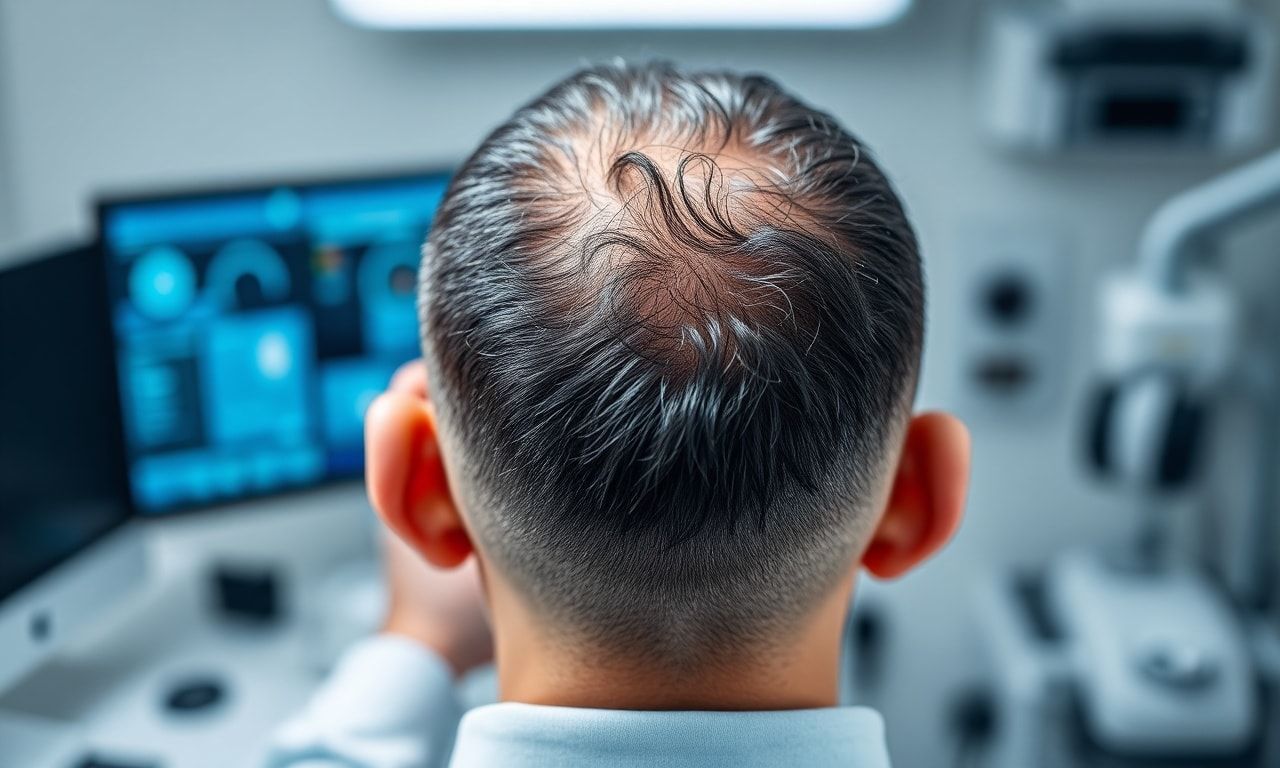
The Evolution of Hair Transplant Technology
The field of hair transplant technology has seen remarkable advancements over the past few decades. From the early days of punch grafts to the modern Follicular Unit Extraction (FUE) and Follicular Unit Transplantation (FUT) methods, technology has played a pivotal role in enhancing the precision, efficiency, and outcomes of hair restoration procedures. These innovations have not only improved the aesthetic results but have also significantly reduced recovery times and minimized scarring.
The Role of AI in Hair Transplant Procedures
Artificial Intelligence (AI) is revolutionizing the hair transplant industry by providing more accurate and personalized treatment plans. AI algorithms can analyze vast amounts of data to predict the best possible outcomes for individual patients. This includes factors such as hair density, scalp condition, and the patient’s overall health. AI-driven software can also simulate the results of different transplant techniques, allowing both the surgeon and the patient to visualize the potential outcomes before the procedure begins. This level of customization ensures that each patient receives the most effective treatment tailored to their specific needs.
Moreover, AI can assist in the planning and execution of the procedure. For instance, AI-powered imaging systems can map out the donor and recipient areas with high precision, ensuring that the transplanted follicles are placed in the most optimal positions. This not only enhances the natural appearance of the hair but also maximizes the survival rate of the transplanted follicles.
The Importance of Cybersecurity in Medical Technology
As technology continues to advance, the importance of cybersecurity in the medical field cannot be overstated. Hair transplant clinics, like other medical facilities, handle sensitive patient data that must be protected from cyber threats. The integration of AI and other advanced technologies into hair transplant procedures necessitates robust cybersecurity measures to safeguard patient information and ensure the integrity of the systems used. This includes implementing encryption protocols, secure data storage solutions, and regular security audits to identify and mitigate potential vulnerabilities.
Additionally, the use of cloud-based platforms for storing and analyzing patient data requires stringent security measures. Clinics must ensure that their cloud providers adhere to industry standards and regulations, such as the Health Insurance Portability and Accountability Act (HIPAA) in the United States, to protect patient privacy. By prioritizing cybersecurity, hair transplant clinics can build trust with their patients and maintain the confidentiality of their medical records.
The Impact of Wearable Technology on Hair Care
Wearable technology is another area where innovation is making a significant impact on hair care and transplant procedures. Devices such as smart scalp analyzers can monitor the health of the scalp and hair follicles, providing valuable data that can be used to tailor treatment plans. These devices can detect early signs of hair loss and scalp conditions, allowing for timely intervention and prevention of further damage. For individuals considering hair transplant procedures, wearable technology can help them make informed decisions about their treatment options and expected outcomes.
Furthermore, wearable technology can be used to track the progress of hair restoration treatments. For example, smart hairbrushes equipped with sensors can monitor hair growth and provide feedback on the effectiveness of the treatment. This real-time data can be shared with the patient’s healthcare provider, enabling them to make adjustments to the treatment plan as needed. By leveraging wearable technology, patients can actively participate in their hair restoration journey and achieve better results.
Choosing the Right Tools and Accessories
In addition to advanced medical technologies, the tools and accessories used in hair transplant procedures play a crucial role in the success of the treatment. For instance, the choice of surgical instruments can significantly impact the precision and efficiency of the procedure. Clinics must invest in high-quality tools that are designed for minimal invasiveness and maximum accuracy. This includes microscopes, punches, and other specialized equipment that are essential for FUE and FUT procedures.
When it comes to post-procedure care, the right accessories can make a significant difference in the patient’s recovery and satisfaction. For example, choosing the right tights and other compression garments can help reduce swelling and promote healing. Patients should consult with their healthcare providers to select the most appropriate accessories for their specific needs. Websites like how to choose the right tights can provide valuable guidance on selecting the right compression garments for optimal recovery.
The Future of Hair Transplant Technology
The future of hair transplant technology holds even more promising advancements. Researchers are exploring the potential of stem cell therapy and cloning techniques to regenerate hair follicles, which could revolutionize the field of hair restoration. These innovative approaches aim to address the root cause of hair loss and provide long-term solutions for patients. Additionally, advancements in robotics and automation are expected to further enhance the precision and efficiency of hair transplant procedures, making them more accessible and affordable for a broader range of patients.
As technology continues to evolve, the field of hair transplant procedures will undoubtedly see further innovations that improve patient outcomes and experiences. By staying at the forefront of these advancements, hair transplant clinics can offer their patients the best possible care and achieve exceptional results. The integration of AI, wearable technology, and cybersecurity measures will play a crucial role in shaping the future of hair restoration, ensuring that patients receive personalized, effective, and safe treatments.
Discover how athletes blend tech and fashion in their off-field style, a fascinating look at innovation beyond the field.
For tech enthusiasts looking to bridge fashion and innovation, explore new trends in men’s fashion that are leveraging cutting-edge technology.
To enhance your digital marketing strategy in the tech-driven e-commerce landscape, explore our comprehensive Instagram success guide for actionable insights.