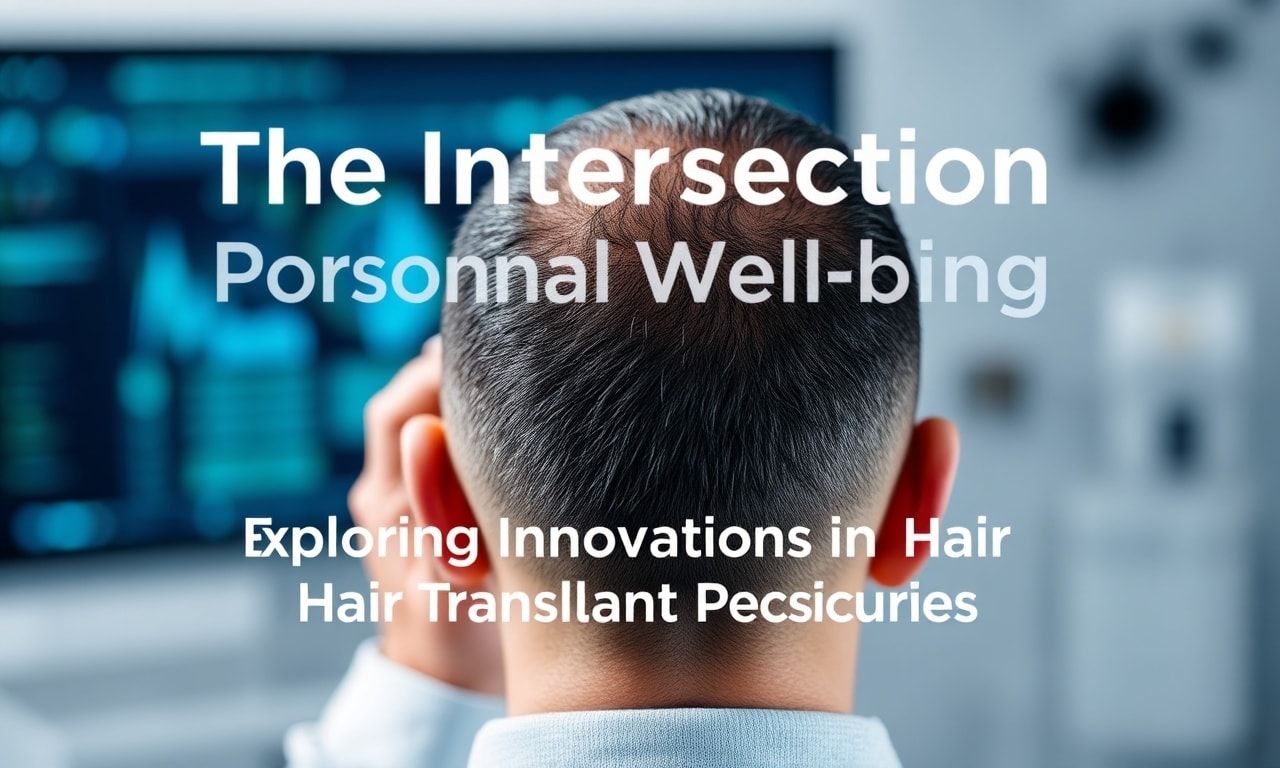
The Evolution of Hair Transplant Technology
The field of hair transplant technology has seen remarkable advancements over the past few decades. From the early days of punch grafts to the current state-of-the-art techniques, technology has played a pivotal role in enhancing the precision, efficacy, and overall patient experience of hair transplant procedures. These innovations have not only improved the aesthetic outcomes but have also significantly reduced recovery times and minimized discomfort for patients.
The Role of AI and Robotics in Hair Transplants
Artificial Intelligence (AI) and robotics have emerged as game-changers in the field of hair transplantation. AI algorithms can analyze vast amounts of data to create personalized treatment plans, taking into account factors such as hair density, scalp condition, and patient preferences. Robotic systems, like the ARTAS system, use advanced imaging technology and robotic precision to harvest and implant hair follicles with unparalleled accuracy. These technologies ensure that each graft is placed optimally, resulting in a natural-looking hairline and improved overall results.
Moreover, AI-driven software can predict the likely outcomes of a hair transplant procedure, allowing both the surgeon and the patient to make informed decisions. This predictive capability is crucial for managing patient expectations and ensuring satisfaction with the results. The integration of AI and robotics in hair transplant procedures represents a significant leap forward in the field of cosmetic surgery.
The Impact of Cybersecurity on Patient Data
As technology continues to advance, the importance of cybersecurity in the healthcare sector cannot be overstated. Hair transplant clinics, like other medical facilities, handle sensitive patient data that must be protected from unauthorized access and cyber threats. The implementation of robust cybersecurity measures is essential to safeguard patient information and maintain trust. Clinics must adhere to stringent data protection regulations and invest in advanced cybersecurity solutions to prevent data breaches and ensure the confidentiality of patient records.
In addition to protecting patient data, cybersecurity measures can also enhance the overall efficiency of clinic operations. Secure digital systems allow for seamless communication between healthcare providers, streamline administrative processes, and facilitate the sharing of medical information in a secure manner. By prioritizing cybersecurity, hair transplant clinics can provide a safer and more efficient environment for both patients and staff.
The Future of Hair Transplant Technology
The future of hair transplant technology holds exciting possibilities. Researchers are exploring the use of stem cell technology to regenerate hair follicles, which could potentially eliminate the need for traditional hair transplant procedures. Additionally, advancements in bioprinting technology may enable the creation of custom hair follicles using a patient’s own cells, offering a more natural and permanent solution to hair loss.
Furthermore, the integration of virtual reality (VR) and augmented reality (AR) technologies can enhance the patient experience by providing immersive previews of potential outcomes. Patients can visualize their post-transplant appearance, allowing them to make more informed decisions about their treatment options. These technologies not only improve patient satisfaction but also contribute to the overall success of the procedure.
The Importance of Staying Informed
Staying informed about the latest trends and innovations in hair transplant technology is crucial for both patients and healthcare providers. For instance, understanding the 2026 yaz modası renk trendleri can provide insights into the evolving preferences and expectations of patients, helping clinics tailor their services to meet these demands. By keeping up with the latest advancements, clinics can offer cutting-edge treatments and ensure they are providing the best possible care for their patients.
Patients, on the other hand, benefit from being well-informed about the available options and the potential outcomes of different procedures. This knowledge empowers them to make educated decisions and choose the best treatment plan for their individual needs. As technology continues to evolve, the collaboration between patients and healthcare providers will be essential in achieving the best possible results.
Conclusion
The intersection of technology and personal well-being has led to remarkable advancements in the field of hair transplant procedures. From AI and robotics to cybersecurity and stem cell research, these innovations are transforming the way hair transplants are performed and experienced. By staying informed and embracing these technological advancements, hair transplant clinics can continue to provide high-quality care and achieve exceptional outcomes for their patients.
Discover how tech innovations are shaping the world of sports fashion in our latest feature, athletes’ tech-inspired attire evolution.
Discover how tech is reshaping the fashion industry in our latest feature, future of wearable technology, exploring AI and innovative materials.
To stay ahead in the rapidly evolving tech landscape, dive into our latest feature future tech innovations shaping lives and discover the breakthroughs that are redefining our digital world.