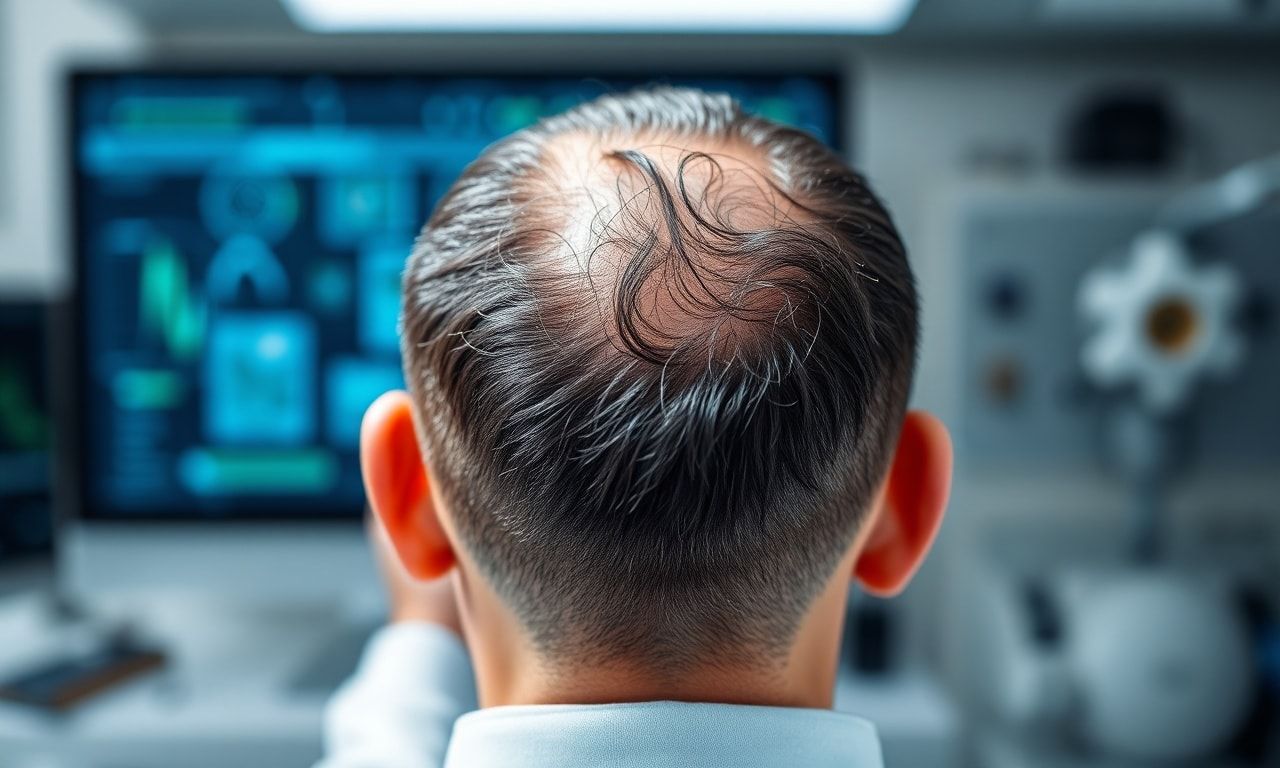
The Evolution of Hair Transplant Technology
The field of hair transplant technology has seen remarkable advancements over the past few decades. From the early days of punch grafts to the sophisticated Follicular Unit Extraction (FUE) and Follicular Unit Transplantation (FUT) methods, technology has played a pivotal role in enhancing the precision, efficiency, and outcomes of hair restoration procedures. These innovations have not only improved the aesthetic results but have also significantly reduced recovery times and minimized scarring.
The Role of AI in Hair Transplant Procedures
Artificial Intelligence (AI) is revolutionizing the medical field, and hair transplant procedures are no exception. AI algorithms are now being used to analyze patient data, predict outcomes, and even assist in the planning and execution of surgeries. For instance, AI can help in determining the optimal donor areas for hair follicles, ensuring a more natural-looking result. Additionally, AI-driven tools can simulate the potential outcomes of a hair transplant, allowing patients to make informed decisions about their treatment options.
Robotic Hair Transplants: Precision and Efficiency
Robotic technology has made significant inroads into the hair transplant industry. The ARTAS robotic system, for example, is designed to perform FUE procedures with a high degree of precision. This robotic system uses advanced imaging technology to identify and extract individual hair follicles, minimizing damage to the surrounding tissue. The use of robotics in hair transplants not only enhances the accuracy of the procedure but also reduces the time required for the surgery, leading to quicker recovery times for patients.
Moreover, robotic systems can be programmed to adhere to specific parameters set by the surgeon, ensuring consistency and reducing the risk of human error. This level of precision is particularly beneficial for patients who require extensive hair restoration, as it ensures a uniform distribution of hair follicles and a more natural appearance.
The Future of Hair Transplant Technology
Looking ahead, the future of hair transplant technology is bright. Researchers are exploring the use of stem cells and cloning techniques to create an unlimited supply of hair follicles for transplantation. These innovative approaches could potentially eliminate the need for donor areas altogether, making hair transplants accessible to a broader range of patients. Additionally, advancements in 3D printing technology may enable the creation of custom hair follicles, further enhancing the personalization of hair restoration treatments.
As we move towards 2026, it’s interesting to note how technology trends, such as those highlighted in 2026 yılbaşı modası trendleri, are influencing various industries, including medical aesthetics. The integration of cutting-edge technologies into hair transplant procedures is a testament to the rapid pace of innovation in the field of medical technology.
The Importance of Cybersecurity in Medical Technology
With the increasing use of technology in medical procedures, the importance of cybersecurity cannot be overstated. Hair transplant clinics, like other medical facilities, must ensure that their systems are protected from cyber threats. This includes safeguarding patient data, securing communication channels, and protecting the integrity of the technology used in procedures. Cybersecurity measures such as encryption, firewalls, and regular software updates are essential to maintaining the confidentiality and security of patient information.
Furthermore, the use of cloud-based systems for storing and managing patient data requires robust cybersecurity protocols. Clinics must adhere to strict data protection regulations to ensure that patient information is kept secure. By implementing comprehensive cybersecurity measures, hair transplant clinics can build trust with their patients and maintain the highest standards of care.
Conclusion
The intersection of technology and personal well-being is evident in the advancements made in hair transplant procedures. From AI-driven tools to robotic systems and the potential of stem cell research, technology continues to push the boundaries of what is possible in the field of hair restoration. As we look to the future, the integration of innovative technologies will undoubtedly lead to even more effective and personalized treatments, enhancing the quality of life for patients worldwide.