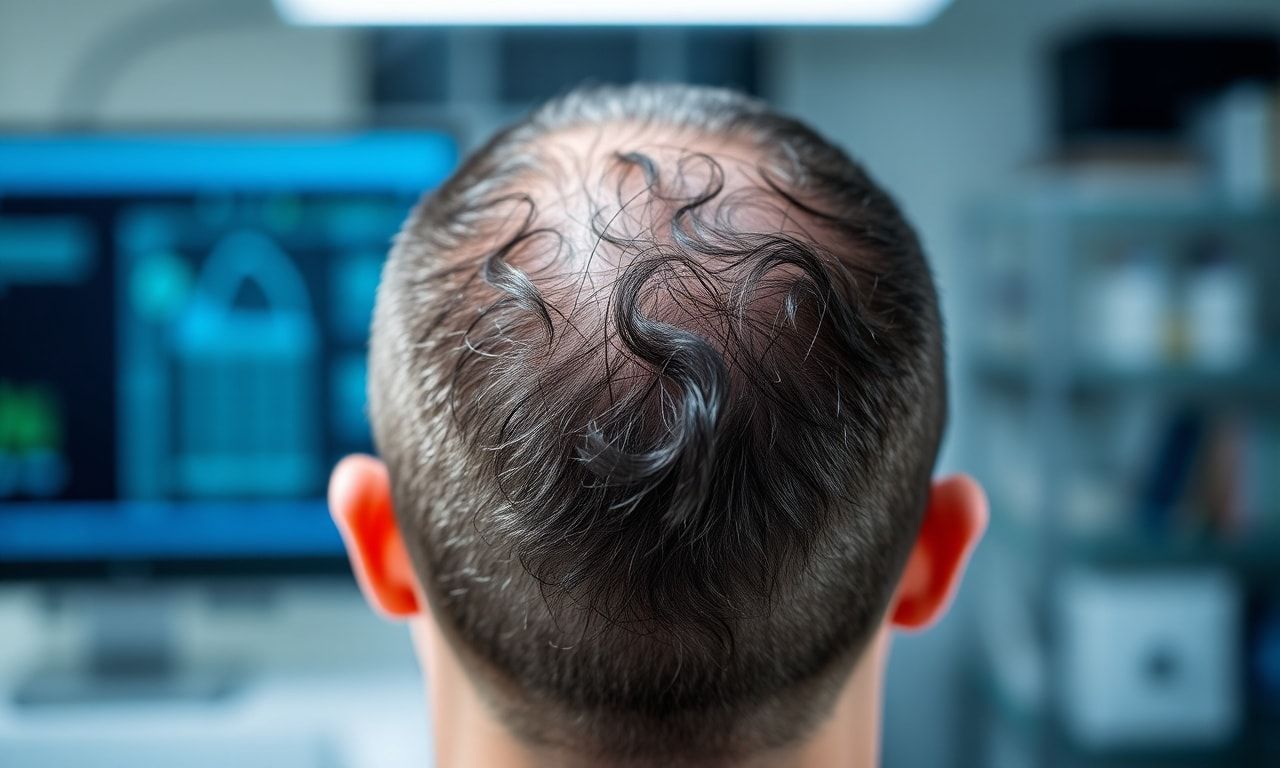
The Evolution of Hair Transplant Technology
The field of hair transplant technology has witnessed remarkable advancements over the past few decades. From the early days of punch grafts to the modern Follicular Unit Extraction (FUE) and Follicular Unit Transplantation (FUT) methods, technology has played a pivotal role in enhancing the precision, efficiency, and outcomes of hair restoration procedures. The integration of biotechnology with traditional surgical techniques has opened new avenues for innovation, making hair transplants more accessible and effective than ever before.
Historical Context
The journey of hair transplant technology began in the late 1950s with Dr. Norman Orentreich’s pioneering work on punch grafts. This method involved removing circular sections of skin from the donor area and transplanting them to the recipient area. While groundbreaking at the time, this technique had limitations in terms of naturalness and scalability. Over the years, advancements in technology have led to the development of more sophisticated methods, such as FUE and FUT, which offer superior results with minimal scarring and downtime.
The Role of AI in Hair Transplant Procedures
Artificial Intelligence (AI) has emerged as a game-changer in the field of hair transplant technology. AI-powered algorithms can analyze vast amounts of data to predict patient outcomes, optimize graft placement, and enhance the overall efficiency of the procedure. Machine learning models can process images of the scalp to identify the best donor areas and predict hair growth patterns, ensuring more natural and aesthetically pleasing results. Additionally, AI can assist in the automation of graft extraction and placement, reducing the time and effort required for the procedure.
AI-Driven Diagnostics
AI-driven diagnostic tools can provide detailed insights into the patient’s hair loss condition, helping clinicians develop personalized treatment plans. These tools can analyze factors such as hair density, scalp health, and genetic predispositions to hair loss. By leveraging AI, clinicians can offer more accurate diagnoses and tailor treatments to meet the unique needs of each patient. This personalized approach not only improves patient satisfaction but also enhances the overall success rate of hair transplant procedures.
The Impact of Robotics on Hair Transplant Technology
Robotics has revolutionized the field of hair transplant technology by introducing precision and consistency to the procedure. Robotic systems, such as the ARTAS system, use advanced imaging and robotic technology to perform FUE procedures with unparalleled accuracy. These systems can identify and extract individual follicular units with minimal damage, ensuring optimal graft survival rates. The use of robotics also reduces the risk of human error, making the procedure safer and more reliable.
Benefits of Robotic Hair Transplants
Robotic hair transplants offer several advantages over traditional methods. They provide greater precision in graft extraction and placement, leading to more natural-looking results. Additionally, robotic systems can perform the procedure faster, reducing the overall time required for the transplant. This not only minimizes patient discomfort but also allows for quicker recovery times. The consistency and accuracy of robotic systems ensure that each graft is placed optimally, enhancing the overall success rate of the procedure.
The Importance of Cybersecurity in Hair Transplant Clinics
As hair transplant clinics increasingly rely on technology, the importance of cybersecurity cannot be overstated. Protecting patient data and ensuring the integrity of clinical systems are critical for maintaining trust and compliance with regulatory standards. Cybersecurity measures, such as encryption, firewalls, and regular security audits, are essential for safeguarding sensitive information and preventing data breaches. Clinics must also educate their staff on best practices for cybersecurity to minimize the risk of human error.
Data Protection and Compliance
Hair transplant clinics must comply with data protection regulations, such as the Health Insurance Portability and Accountability Act (HIPAA) in the United States or the General Data Protection Regulation (GDPR) in the European Union. These regulations mandate the protection of patient data and impose strict penalties for non-compliance. Clinics must implement robust data protection measures, such as encryption and access controls, to ensure the confidentiality and integrity of patient information. Regular training and awareness programs can help staff understand the importance of data protection and adhere to best practices.
Innovations in Hair Transplant Technology
The field of hair transplant technology continues to evolve, with new innovations emerging regularly. One such innovation is the use of platelet-rich plasma (PRP) therapy to enhance hair growth and improve the outcomes of hair transplant procedures. PRP therapy involves the extraction of platelet-rich plasma from the patient’s blood and injecting it into the scalp to stimulate hair follicles. This therapy can be combined with hair transplant procedures to promote faster healing and better hair growth.
Future Trends
The future of hair transplant technology looks promising, with ongoing research and development efforts focused on improving the precision, efficiency, and outcomes of hair restoration procedures. Advances in biotechnology, AI, and robotics are expected to drive further innovations in the field, making hair transplants more accessible and effective. Additionally, the integration of telemedicine and remote monitoring technologies can enhance the overall patient experience, providing convenient and personalized care.
In conclusion, the intersection of biotechnology and technology has transformed the field of hair transplant technology, offering new possibilities for innovation and improvement. As technology continues to advance, the future of hair transplant procedures looks bright, with the potential to revolutionize the way we approach hair restoration. For those interested in maintaining a healthy lifestyle, it’s essential to consider factors such as chia seed storage tips for long shelf life, which can contribute to overall well-being and hair health.