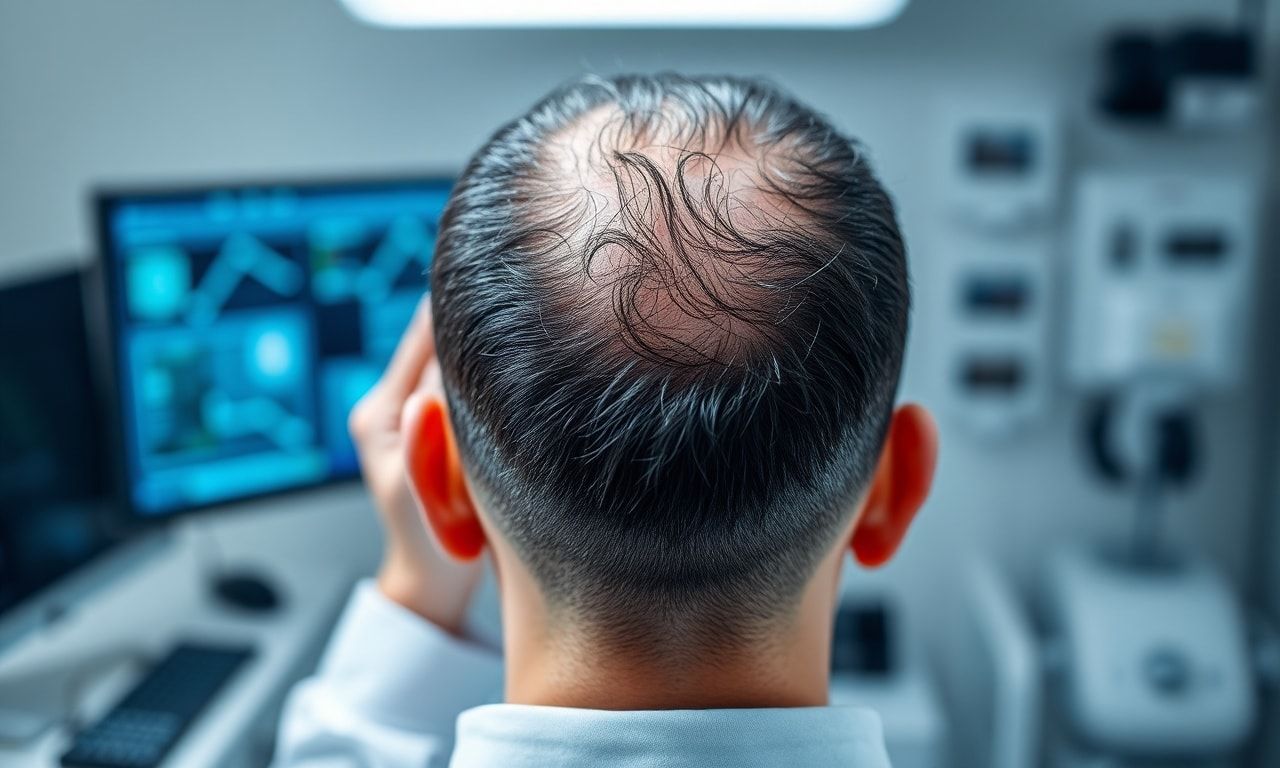
The Evolution of Hair Transplant Technology
The field of hair transplantation has seen remarkable advancements over the past few decades, largely driven by technological innovations. From the early days of punch grafts to the sophisticated techniques available today, technology has played a pivotal role in enhancing the precision, efficiency, and outcomes of hair transplant procedures. These advancements have not only improved the aesthetic results but also reduced recovery times and minimized discomfort for patients.
The Role of Robotics in Hair Transplantation
One of the most significant technological advancements in hair transplantation is the introduction of robotic systems. These systems utilize artificial intelligence (AI) and machine learning algorithms to assist surgeons in performing follicular unit extraction (FUE) with unparalleled accuracy. Robotic hair transplant systems can identify and extract individual hair follicles with precision, ensuring minimal damage to the surrounding tissue. This level of precision is crucial for achieving natural-looking results and reducing the risk of complications.
In addition to improving the extraction process, robotic systems also enhance the implantation phase. Surgeons can use these systems to create recipient sites with consistent depth and angle, which is essential for achieving a natural hairline. The use of robotics in hair transplantation not only improves the overall efficiency of the procedure but also allows surgeons to perform more complex cases with greater confidence.
The Impact of 3D Imaging and Simulation
Another technological innovation that has revolutionized hair transplantation is the use of 3D imaging and simulation. These tools allow surgeons to create detailed, three-dimensional models of a patient’s scalp, enabling them to plan the procedure with greater accuracy. By visualizing the distribution of hair follicles and the desired hairline, surgeons can develop a customized treatment plan that addresses the patient’s unique needs and expectations.
3D imaging and simulation also play a crucial role in patient education. By providing patients with a visual representation of the expected outcomes, surgeons can help them make informed decisions about their treatment. This technology not only enhances the patient experience but also improves satisfaction rates by setting realistic expectations.
The Importance of Cybersecurity in Medical Technology
As technology continues to advance, the importance of cybersecurity in the medical field cannot be overstated. With the increasing use of electronic health records (EHRs) and connected medical devices, the risk of cyber threats has grown significantly. In the context of hair transplantation, the use of robotic systems and 3D imaging tools requires robust cybersecurity measures to protect patient data and ensure the integrity of the technology.
Medical facilities must implement comprehensive cybersecurity protocols to safeguard sensitive patient information and prevent unauthorized access to medical devices. This includes regular software updates, encryption of data, and employee training on cybersecurity best practices. By prioritizing cybersecurity, medical facilities can ensure the safe and effective use of technology in hair transplantation and other medical procedures.
The Future of Hair Transplant Technology
The future of hair transplant technology is bright, with ongoing research and development aimed at further improving the precision, efficiency, and outcomes of these procedures. Emerging technologies such as stem cell therapy and platelet-rich plasma (PRP) therapy hold promise for enhancing hair growth and improving the overall results of hair transplantation.
Additionally, the integration of virtual reality (VR) and augmented reality (AR) technologies has the potential to revolutionize the patient experience. These tools can provide patients with immersive, interactive simulations of their expected outcomes, allowing them to visualize the results of their hair transplant procedure before undergoing treatment.
As technology continues to evolve, the field of hair transplantation will likely see even more innovative advancements. From robotic systems and 3D imaging to cybersecurity measures and emerging therapies, the intersection of technology and health is paving the way for better, safer, and more effective hair transplant procedures. For those seeking expert advice and services, platforms like tesisatçı rezervasyon offer valuable resources and support.