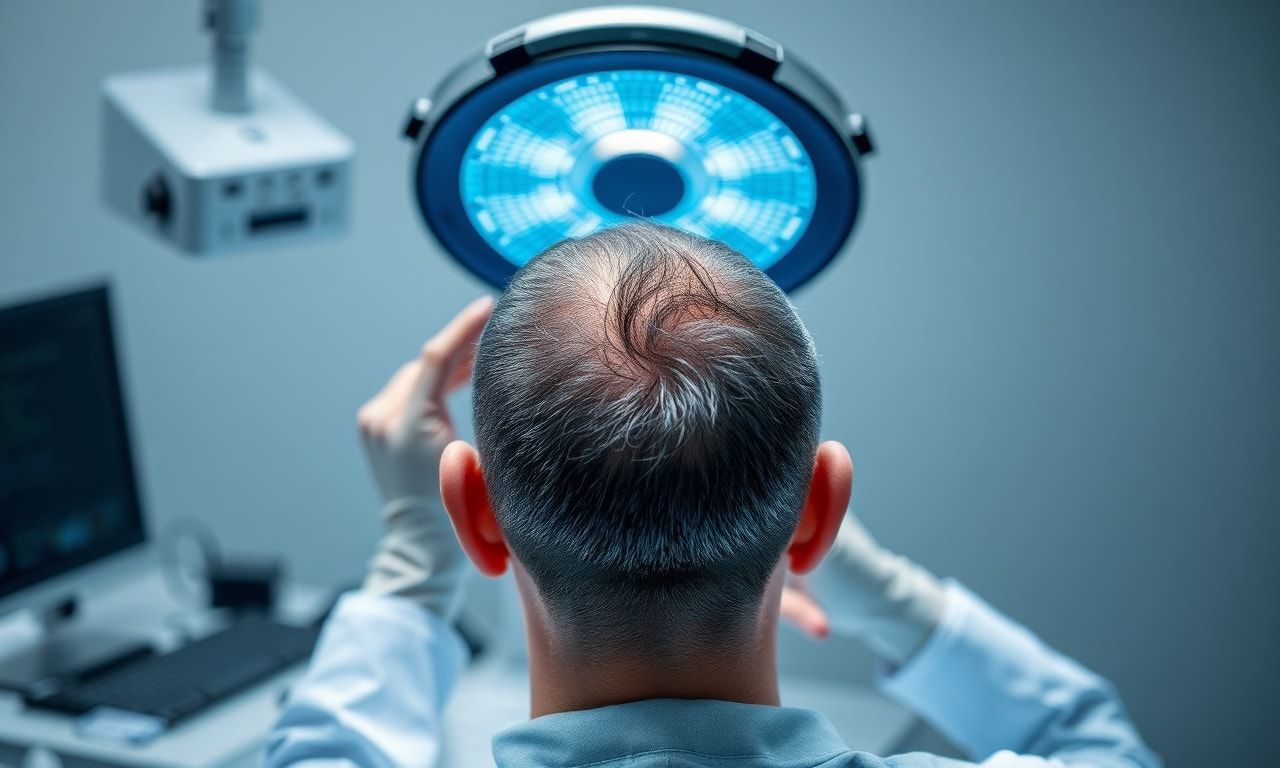
The Evolution of Hair Transplant Technology
The field of hair transplant procedures has seen remarkable advancements over the years, largely driven by technological innovations. From the early days of punch grafts to the sophisticated Follicular Unit Extraction (FUE) techniques of today, technology has played a pivotal role in enhancing the precision, efficiency, and outcomes of hair restoration treatments. These advancements have not only improved patient satisfaction but have also expanded the possibilities for those seeking effective solutions to hair loss.
The Role of AI in Hair Transplant Procedures
Artificial Intelligence (AI) has emerged as a game-changer in the realm of hair transplant technology. AI algorithms can analyze vast amounts of data to predict patient outcomes, optimize graft placement, and even assist in the design of natural-looking hairlines. By leveraging machine learning, clinicians can achieve higher accuracy and consistency in their procedures. Additionally, AI-powered tools can help in the pre-operative planning phase, ensuring that the treatment plan is tailored to the individual needs of each patient. This level of customization was previously unattainable, making AI a valuable asset in modern hair transplant clinics.
Robotic Assistance in Hair Transplant Surgery
Robotic systems, such as the ARTAS Robotic Hair Transplant System, have revolutionized the way hair transplant procedures are performed. These systems use advanced imaging technology and robotic arms to harvest follicular units with unparalleled precision. The robotic assistance not only reduces the risk of human error but also minimizes trauma to the scalp, leading to faster healing and better results. Furthermore, robotic systems can operate for extended periods without fatigue, ensuring consistent performance throughout the procedure. This technological leap has significantly enhanced the overall efficiency and effectiveness of hair transplant surgeries.
The Impact of 3D Imaging and Virtual Reality
3D imaging and virtual reality (VR) technologies have added a new dimension to the field of hair transplant procedures. These technologies allow clinicians to create detailed, three-dimensional models of a patient’s scalp, enabling them to plan the procedure with greater accuracy. VR simulations can also provide patients with a realistic preview of their potential results, helping them make informed decisions about their treatment options. By integrating 3D imaging and VR into the pre-operative process, clinicians can enhance patient satisfaction and set realistic expectations for the outcomes of their hair transplant procedures.
Cybersecurity in Hair Transplant Clinics
As technology continues to advance, the importance of cybersecurity in hair transplant clinics cannot be overstated. With the increasing use of electronic health records (EHRs) and digital imaging systems, clinics must implement robust cybersecurity measures to protect patient data from unauthorized access and cyber threats. Regular software updates, encryption protocols, and staff training are essential components of a comprehensive cybersecurity strategy. Staying informed about the latest cybersecurity trends and best practices is crucial for maintaining the integrity and confidentiality of patient information. For the latest updates on cybersecurity and other local business news updates, staying informed through reliable sources is essential.
The Future of Hair Transplant Technology
The future of hair transplant technology holds even greater promise, with ongoing research and development paving the way for innovative solutions. Emerging technologies such as stem cell therapy and laser-assisted hair growth are being explored as potential alternatives to traditional hair transplant methods. These advancements aim to provide more effective and less invasive treatment options for patients suffering from hair loss. As technology continues to evolve, the field of hair transplant procedures is poised for further growth and innovation, offering hope to millions of individuals seeking solutions to hair loss.