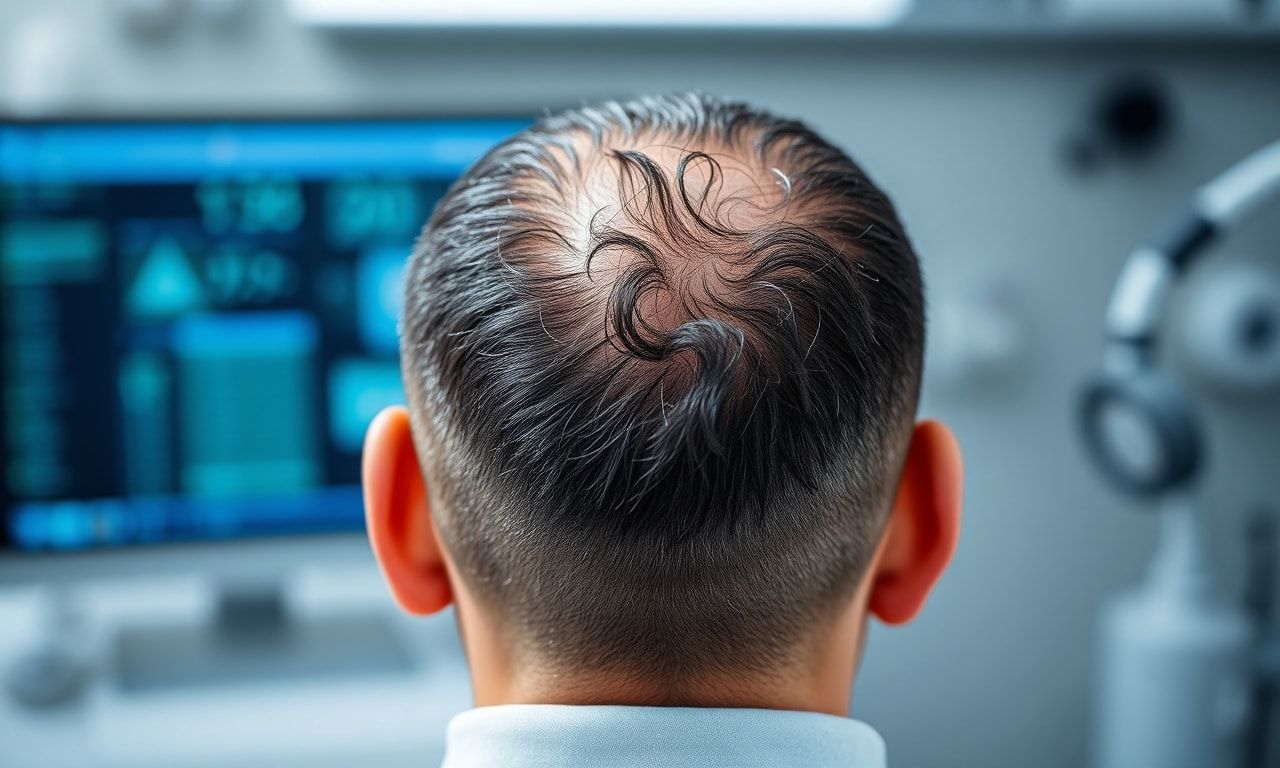
The Evolution of Hair Transplantation Technology
The field of hair transplantation has witnessed remarkable advancements over the past few decades, thanks to the integration of cutting-edge technology. From the early days of punch grafts to the modern Follicular Unit Extraction (FUE) and Robotic Hair Transplantation, technology has revolutionized the way hair loss is treated. These innovations have not only improved the success rates of hair restoration procedures but also enhanced patient comfort and satisfaction.
The Role of Artificial Intelligence in Hair Transplantation
Artificial Intelligence (AI) has emerged as a game-changer in the realm of hair transplantation. AI-powered algorithms can analyze vast amounts of data to predict patient outcomes, optimize graft placement, and even assist in the design of natural-looking hairlines. For instance, AI can process high-resolution images to create a detailed map of the donor area, ensuring that the best follicles are selected for transplantation. This level of precision was previously unattainable, highlighting the transformative potential of AI in the field.
Moreover, AI-driven platforms can provide personalized treatment recommendations based on individual patient data. By considering factors such as age, gender, hair loss pattern, and overall health, these systems can tailor treatment plans to maximize results. This personalized approach not only improves the efficacy of hair transplantation but also enhances the patient experience by addressing their unique needs and concerns.
The Impact of Robotics on Hair Transplantation
Robotics has also played a pivotal role in advancing hair transplantation techniques. The ARTAS Robotic Hair Transplantation System, for example, uses robotic arms equipped with advanced imaging technology to perform FUE procedures with unparalleled accuracy. This system can identify and extract individual follicular units while minimizing damage to the surrounding tissue, resulting in faster healing and better aesthetic outcomes.
Additionally, robotic systems can automate the process of graft harvesting and placement, reducing the risk of human error and improving the overall efficiency of the procedure. This automation not only benefits patients by ensuring consistent results but also allows surgeons to focus on more complex aspects of the treatment, such as designing the hairline and ensuring natural-looking results.
The Importance of Cybersecurity in Hair Transplantation Clinics
As technology continues to advance, the importance of cybersecurity in hair transplantation clinics cannot be overstated. With the increasing use of digital platforms for patient data management, appointment scheduling, and even remote consultations, clinics must prioritize the protection of sensitive information. Cybersecurity measures such as encryption, secure data storage, and regular software updates are essential to safeguarding patient privacy and maintaining trust.
Furthermore, clinics should invest in employee training to ensure that staff members are aware of the latest cybersecurity threats and best practices. This proactive approach can help prevent data breaches and other cyber incidents that could compromise patient information and the clinic’s reputation. By prioritizing cybersecurity, hair transplantation clinics can create a safe and secure environment for both patients and staff.
The Future of Hair Transplantation Technology
The future of hair transplantation technology holds even more promise, with ongoing research and development paving the way for groundbreaking innovations. Emerging technologies such as 3D bioprinting and stem cell therapy have the potential to revolutionize the field by offering novel solutions for hair loss. For example, 3D bioprinting could enable the creation of custom hair follicles, while stem cell therapy may offer a regenerative approach to hair restoration.
Additionally, the integration of virtual reality (VR) and augmented reality (AR) technologies could enhance the patient experience by providing immersive pre-procedure consultations and post-procedure follow-ups. These technologies can help patients visualize their potential results and better understand the treatment process, ultimately leading to increased satisfaction and confidence.
The Role of Technology in Patient Education and Engagement
Technology also plays a crucial role in patient education and engagement, empowering individuals to make informed decisions about their hair restoration journey. Online resources, such as educational websites and forums, provide valuable information about different treatment options, success rates, and potential risks. These platforms enable patients to research and compare various clinics and procedures, ensuring they choose the best option for their needs.
Moreover, social media and online communities offer a supportive environment where patients can connect with others who have undergone similar experiences. Sharing stories, asking questions, and seeking advice from peers can alleviate anxiety and provide a sense of community. For those looking to explore gaming as a form of relaxation or entertainment, resources like en iyi oyun indirme siteleri can be a great starting point to find the best gaming platforms and communities.
In conclusion, the intersection of technology and personal well-being in the field of hair transplantation is a testament to the transformative power of innovation. From AI and robotics to cybersecurity and patient education, technology continues to shape the future of hair restoration, offering hope and solutions to those affected by hair loss. As we look ahead, the ongoing advancements in technology promise even greater possibilities for improving patient outcomes and enhancing the overall experience of hair transplantation.
For tech enthusiasts and cybersecurity professionals, understanding the latest trends in defense spending can provide valuable context for innovations in AI and software; check out 2023’s global defense insights.
To stay ahead in the rapidly evolving tech landscape, delve into future tech innovations that are set to redefine our world.
As digital transformation continues to reshape industries, discover how cinema embraces technological advancements to enhance audience experiences.