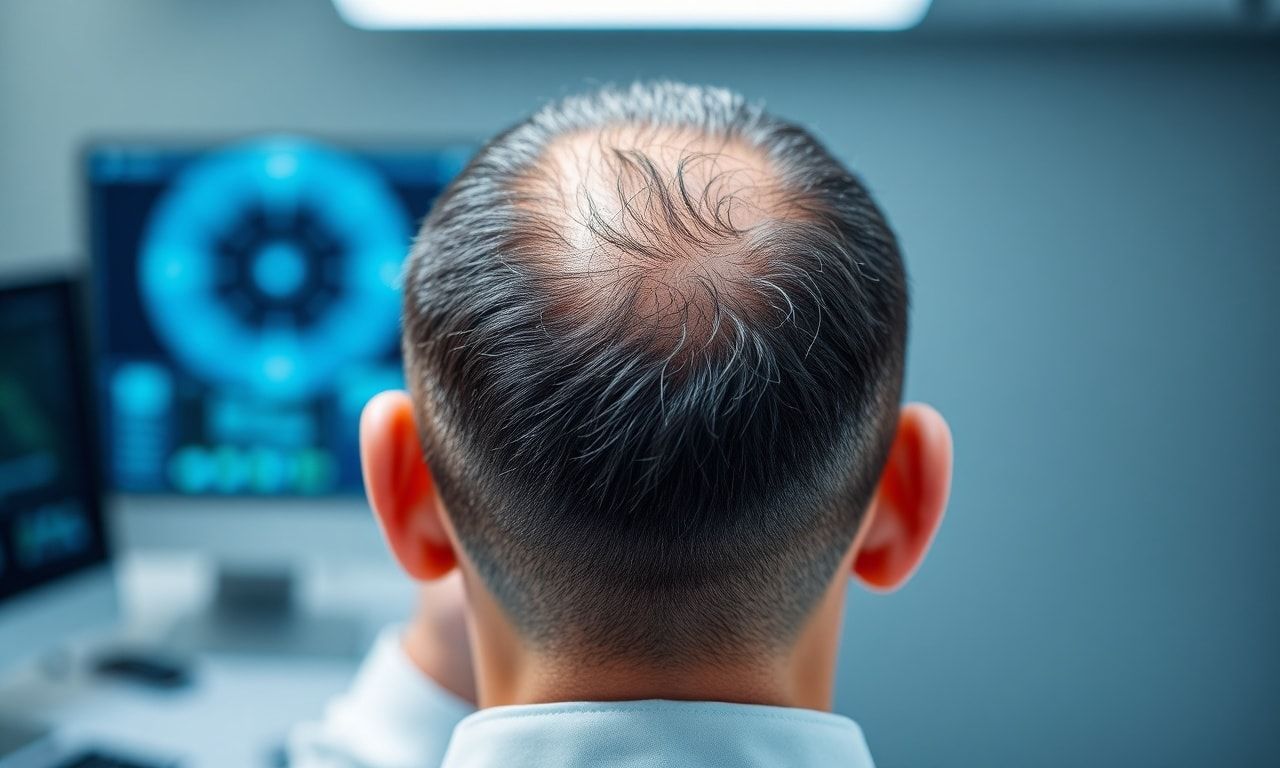
The Evolution of Hair Transplant Technology
The field of hair transplant technology has seen remarkable advancements over the past few decades. From the early days of punch grafts to the modern Follicular Unit Extraction (FUE) and robotic hair restoration, technology has played a pivotal role in enhancing the precision, efficiency, and outcomes of hair transplant procedures. These innovations have not only improved the aesthetic results but have also made the processes less invasive and more comfortable for patients.
The Role of Artificial Intelligence in Hair Restoration
Artificial Intelligence (AI) is revolutionizing various sectors, and hair restoration is no exception. AI-powered algorithms are being used to analyze scalp conditions, predict hair loss patterns, and even design personalized treatment plans. These systems can process vast amounts of data to provide insights that were previously unattainable. For instance, AI can evaluate the density and distribution of hair follicles, helping surgeons to plan the transplant procedure with greater accuracy. Additionally, AI-driven tools can simulate the potential outcomes of a hair transplant, allowing patients to visualize the results before undergoing the procedure.
Robotic Hair Transplantation: Precision and Efficiency
Robotic hair transplantation systems, such as the ARTAS Robotic System, have brought a new level of precision to the field. These systems use advanced imaging technology and robotic arms to harvest follicular units with minimal damage to the surrounding tissues. The robotic system can identify and select the healthiest hair follicles, ensuring a higher success rate for the transplant. Moreover, the use of robotics reduces the risk of human error, leading to more consistent and natural-looking results. Patients benefit from shorter recovery times and reduced scarring, making robotic hair transplantation a preferred choice for many.
Cybersecurity in Hair Transplant Clinics
As technology continues to advance, the importance of cybersecurity in the healthcare sector cannot be overstated. Hair transplant clinics, like other medical facilities, handle sensitive patient data, including medical histories, treatment plans, and personal information. Protecting this data from cyber threats is crucial to maintaining patient trust and complying with regulatory standards. Clinics must implement robust cybersecurity measures, such as encryption, firewalls, and regular security audits, to safeguard patient information. Additionally, staff training on cybersecurity best practices is essential to prevent data breaches and ensure the integrity of patient records.
For those seeking recommendations on the latest technological advancements in hair restoration, resources like avis produits guide recommandation can provide valuable insights. These platforms offer reviews and comparisons of various hair transplant technologies, helping patients make informed decisions about their treatment options.
The Future of Hair Transplant Technology
The future of hair transplant technology looks promising, with ongoing research and development aimed at further enhancing the field. Emerging technologies such as 3D bioprinting and stem cell therapy hold the potential to revolutionize hair restoration. 3D bioprinting involves creating hair follicles in a laboratory setting, which can then be transplanted onto the scalp. This approach could eliminate the need for donor hair, making the procedure more accessible to a broader range of patients. Stem cell therapy, on the other hand, focuses on regenerating hair follicles using stem cells, offering a potential cure for hair loss.
As these technologies continue to evolve, it is essential for hair transplant clinics to stay abreast of the latest developments and invest in cutting-edge equipment. By embracing innovation, clinics can provide their patients with the best possible outcomes and maintain their competitive edge in the industry.